 eng
 rus
 deu
 spa
 fra
 ita
 por
 srp
 tur
 ukr
 por
 bos
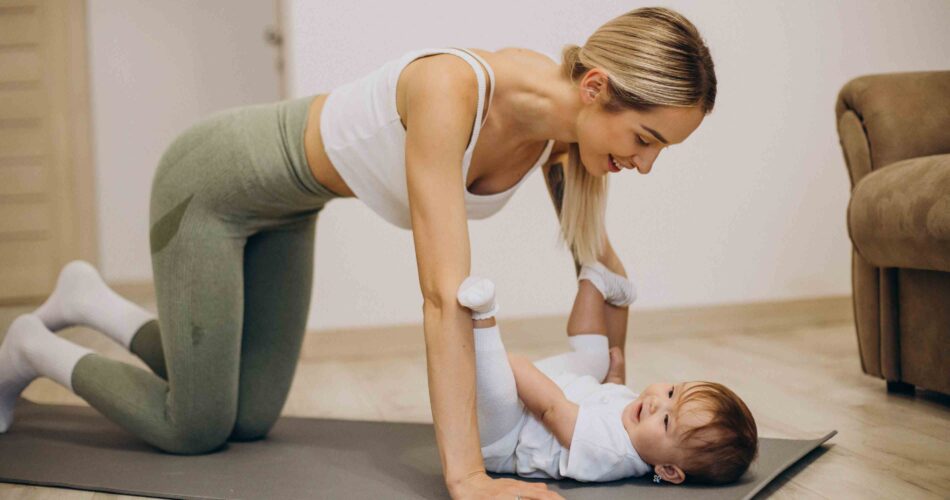
One year after childbirth is not too late to rebuild fitness. It is also not a date when every exercise automatically becomes suitable. Start from what feels manageable now, taking account of symptoms, sleep and how active you have been recently.
Check what is making movement difficult
Notice how you feel when walking, using stairs, lifting your child or getting up from the floor. Leaking urine, pelvic heaviness, persistent back pain or abdominal discomfort deserve attention even if you have lived with them for months.
A GP or pelvic health physiotherapist can assess symptoms and help you choose appropriate activity. You do not have to accept them as the unavoidable cost of having a baby. Seek urgent help for chest pain, fainting or severe breathlessness.
Rebuild a routine before increasing intensity
Choose an activity you enjoy and can realistically repeat. Walking, swimming, cycling and adapted strength exercises are options, depending on your health and comfort. Begin below the level that previously left you exhausted or sore.
NHS guidance for adults recommends at least 150 minutes of moderate activity across the week, alongside muscle strengthening on at least 2 days. This is a longer-term target, not an instruction to complete that amount immediately after a long break. Moderate activity makes you breathe faster while still allowing conversation.
Short periods of movement count. You might walk during a familiar outing or arrange a brief exercise session while someone else looks after your child. Increase gradually rather than adding time, speed and resistance together.


- Yoga and Pilates after vaginal/cesarean birth
- Cardio and toning
- Morning and evening workouts
- 10–30 minutes a day
- Nutrition and macronutrient program
- Consultations with experts
- Psychological support
- Meditation, SPA and podcasts
Address abdominal and pelvic floor concerns
If your abdomen bulges during activity or you are worried about a separation, ask for an assessment. Diastasis after childbirth needs an individual exercise approach rather than an automatic ban on every abdominal movement.
Pelvic floor exercises may help, but technique and symptoms matter. Pain, persistent leakage or a feeling of vaginal heaviness are reasons to seek advice rather than simply perform more repetitions. Do not use a hard workout to test whether a problem has disappeared.
Make food changes you can maintain
If losing weight after childbirth is your aim, combine activity with a sustainable approach to eating. Regular, balanced meals are more practical than alternating restriction with hunger. A dietitian can help if you need a plan that accounts for health conditions or medicines.
Continuing to breastfeed does not make exercise off limits. NHS advice supports balanced eating and moderate activity while breastfeeding. Avoid assuming that you need a fixed percentage of extra food or a strict calorie deficit because your child has reached a particular age. Nutrition while breastfeeding remains relevant if feeds continue.
Allow room for rest and support
A difficult night may mean choosing an easier activity or resting. Ask for practical help with childcare if that would make regular movement possible. Progress can include walking more comfortably, feeling stronger or managing daily tasks with fewer symptoms. Returning to a particular size by your child’s birthday is not a requirement.
Sources


Download the app and get 7 days free use


