 eng
 rus
 deu
 spa
 fra
 ita
 por
 srp
 tur
 ukr
 por
 bos

Postpartum bleeding usually lasts 6-8 weeks after a vaginal birth, and it can go on longer. The number of weeks tells you less than which way it is heading: a flow that keeps fading is recovery, and the few changes that mean picking up the phone can arrive in week one or week ten.
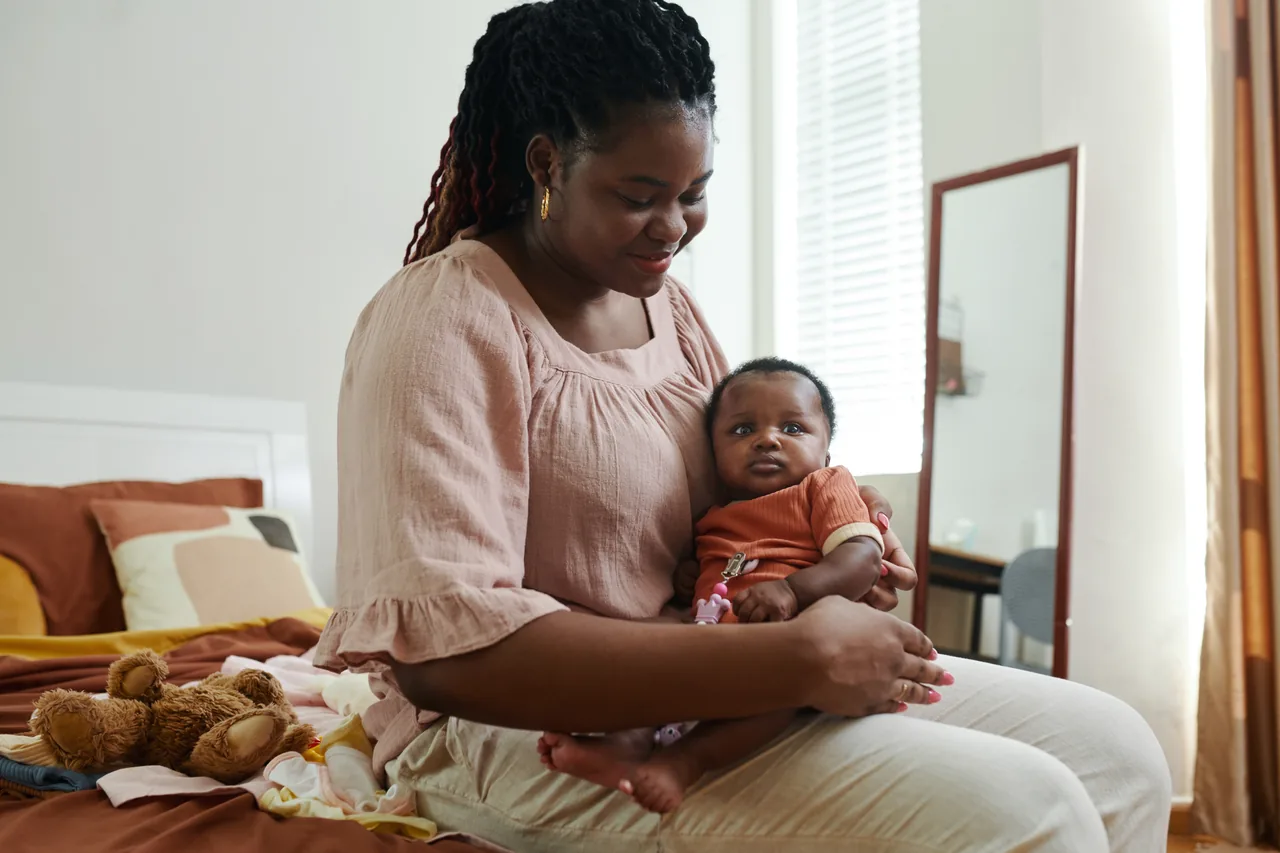
What recovery looks like
Recovery runs on its own timetable. After a vaginal birth the bleeding usually stops within 6-8 weeks but can last longer, and if its length worries you, speak to your general practitioner (GP), midwife or health visitor, as the National Health Service (NHS) in the United Kingdom (UK) advises.
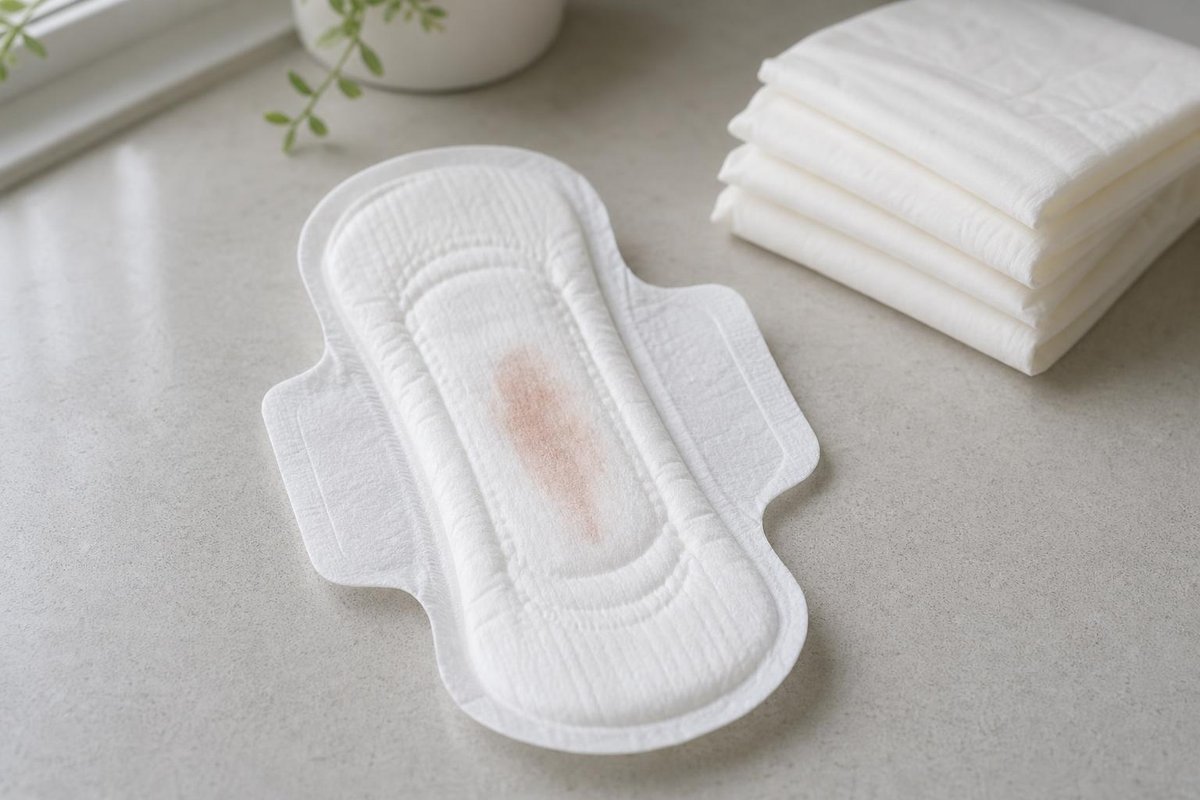

Some bleeding and discharge after delivery is normal: it may start bright red, and within a few days it should turn lighter and more pink. There is no set day for each colour. At first the flow is heavy enough to need super-absorbent pads, and over a few weeks it gradually turns brownish and lessens until it stops.
Why a feed can bring the red back
Just as the flow has faded to pink or brown, the baby latches on and there’s fresh colour and a cramp. It can feel like going backwards.
As the womb shrinks back after birth, some women feel tummy cramps like period pains, especially during feeds: breastfeeding makes it contract and can turn the bleeding redder and heavier. That pain is normal.
Pads, not tampons
The place where the placenta was attached is still a wound, and there may be tears or cuts in or around the vagina. Anything internal could raise the chance of infection, so the NHS advises using maternity or period pads rather than tampons or menstrual cups until your 6-week postnatal check.
Pads also help you measure the flow: warning thresholds are counted in how many you soak.

When bleeding needs urgent care
Postpartum haemorrhage, a very heavy bleed after birth, usually happens within 24 hours of delivery but can occur up to 12 weeks later. Being home doesn’t end that risk.
The Centers for Disease Control and Prevention (CDC) in the United States (US) lists heavy vaginal bleeding or discharge after birth among its urgent maternal warning signs, which can point to a life-threatening complication and need immediate care.


- Yoga and Pilates after vaginal/cesarean birth
- Cardio and toning
- Morning and evening workouts
- 10–30 minutes a day
- Nutrition and macronutrient program
- Consultations with experts
- Psychological support
- Meditation, SPA and podcasts
When to call for help
The main sign of haemorrhage is heavy or gushing blood from the vagina, sometimes with large clots. You may feel faint, dizzy, weak or confused, have pale or clammy skin or a rapid heart rate, or notice pain and swelling near the vagina or perineum. Low blood pressure is another sign. Call your doctor right away for any of these.
For bleeding after birth that is sudden and very heavy or accompanied by faintness, dizziness or a pounding heart, call 999 in the UK or your local emergency number elsewhere: these can be signs of a postpartum haemorrhage needing emergency treatment.
If you have warning signs and cannot reach your doctor, or feel you need care immediately, call emergency services (911 in the US) or go to the hospital.
One pad an hour is the line
The American College of Obstetricians and Gynecologists (ACOG) describes postpartum haemorrhage as bleeding much heavier than usual: soaking through two pads an hour for more than 1-2 hours. In the year after giving birth, seek medical care immediately if you have vaginal bleeding that soaks through one or more pads in an hour. Don’t wait for a second hour.
Clots
The NHS gives no size threshold but advises telling your midwife if you’re losing blood in large clots, because you may need treatment. Clots bigger than an egg, or passing tissue, are urgent warning signs on the CDC’s list: get medical help now.
Fever, an unusual smell or worsening pain
An infection of the womb lining usually starts 2-10 days after delivery but can develop up to 6 weeks later, and its warning signs mean calling your doctor immediately: fever and chills, feeling tired or sick, tummy pain or tenderness, or foul-smelling vaginal discharge.
For possible signs of infection alongside postnatal bleeding, the NHS advises speaking to your GP, midwife or health visitor rather than treating them as an emergency:
- a temperature over 38°C
- a flow that smells unusual for you
- tummy pain that gets worse
- a flow that gets heavier or does not get any less
- clots
- worsening pain between the vagina and anus.
Follow the more cautious advice: the CDC lists a temperature of 38°C (100.4°F) or higher and vaginal discharge that smells bad as urgent warning signs that need immediate medical care at any point in the year after delivery. Don’t wait for your next appointment.
Sources
- American College of Obstetricians and Gynecologists. 3 Conditions to Watch for After Childbirth: ACOG
- Centers for Disease Control and Prevention. Urgent Maternal Warning Signs and Symptoms: HEAR HER Campaign: CDC
- Centers for Disease Control and Prevention. Working Together to Reduce Black Maternal Mortality: Women’s Health: CDC
- National Health Service (United Kingdom). Early days: NHS
- National Health Service (United Kingdom). Your body after the birth: NHS


Download the app and get 7 days free use


