 eng
 rus
 deu
 spa
 fra
 ita
 por
 srp
 tur
 ukr
 por
 bos
- Why they turn up after birth
- Start with the toilet, not the cream
- Keep it soft
- If you need a laxative
- Habits and how to sit
- Soothing the swelling
- After a C-section
- Painkillers, where the advice splits
- Codeine
- How long they last
- If home care is not enough
- When to call someone
- Go now
- Today, not next week
- Book an appointment
- A problem with your bowel, mostly
- Sources
- Read next
Hemorrhoids after birth are one of the common, normal parts of recovery, in the same family as vaginal bleeding, cramping and bowel problems. Soothing them is the easy part. The part most people miss is the toilet itself: a soft poo you never have to push out is the main job, creams and cold packs play support, and a handful of bleeding signs mean calling someone today rather than waiting for your next appointment.
Why they turn up after birth
Piles, the British name for hemorrhoids, are swollen blood vessels that form lumps inside and around the anus, and while nobody knows exactly what causes them, constipation, pushing too hard when you poo, heavy lifting, pregnancy, getting older and being overweight all make them more likely.
Pregnancy is on that list, and birth adds a push of its own. Hemorrhoids that developed during pregnancy may get worse after delivery, and they can also appear for the first time after birth because of the intense straining of labor.
Symptoms of piles include bright red blood after you poo, an itchy anus, feeling you still need to go after you have been, mucus in your underwear or on the toilet paper, lumps around the anus and pain around it.
Start with the toilet, not the cream
Keep it soft
After delivery, straining during a bowel movement can make hemorrhoids worse, so ask your obstetrician-gynecologist (ob-gyn) about taking a stool softener.
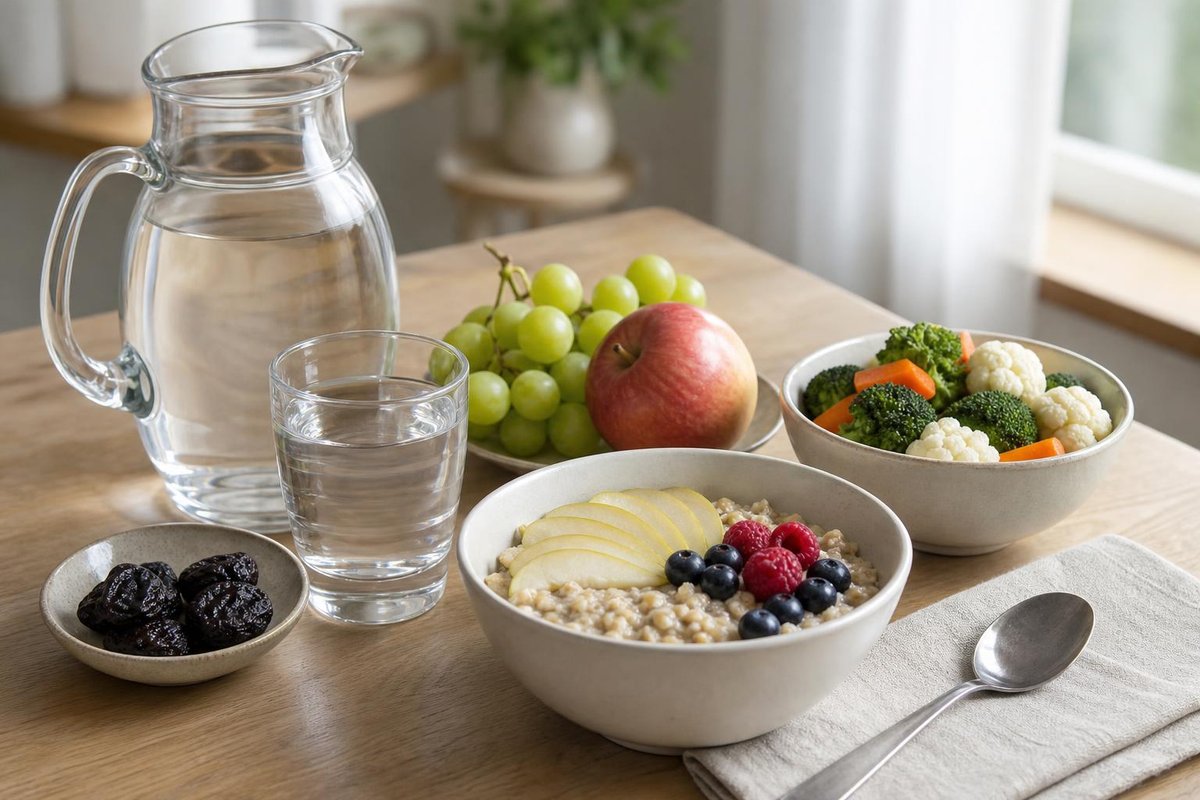
Bowel movements can be hard for a few days after delivery, and pain from hemorrhoids or a tear can make you afraid to go; plenty of fluids, short walks as soon as you can, high-fiber food and a laxative if your doctor thinks you need one may all help.
For a number to aim at, the advice after a cesarean (C-section) is about 2 liters (8 cups) of water a day with plenty of fruit and vegetables, and after a third- or fourth-degree tear it is at least 2 liters with a balanced diet of fruit, vegetables, cereals and wholemeal bread, with laxatives also advised.
If you need a laxative
Lactulose, a laxative that draws water into the bowel to soften poo and make it easier to push out, is one you can take while breastfeeding, though it can take 2-3 days to start working and does not suit everyone, including people who are lactose intolerant or have certain bowel conditions.
See a doctor if you have taken lactulose for more than 3 days and your symptoms have not improved or have got worse; its common side effects are gas, bloating, stomach ache, nausea and diarrhea.
Habits and how to sit
Don’t ignore the urge to go, don’t push hard, and don’t sit on the toilet longer than you need to; cutting down on alcohol and caffeine, including tea, coffee and cola, helps avoid constipation.
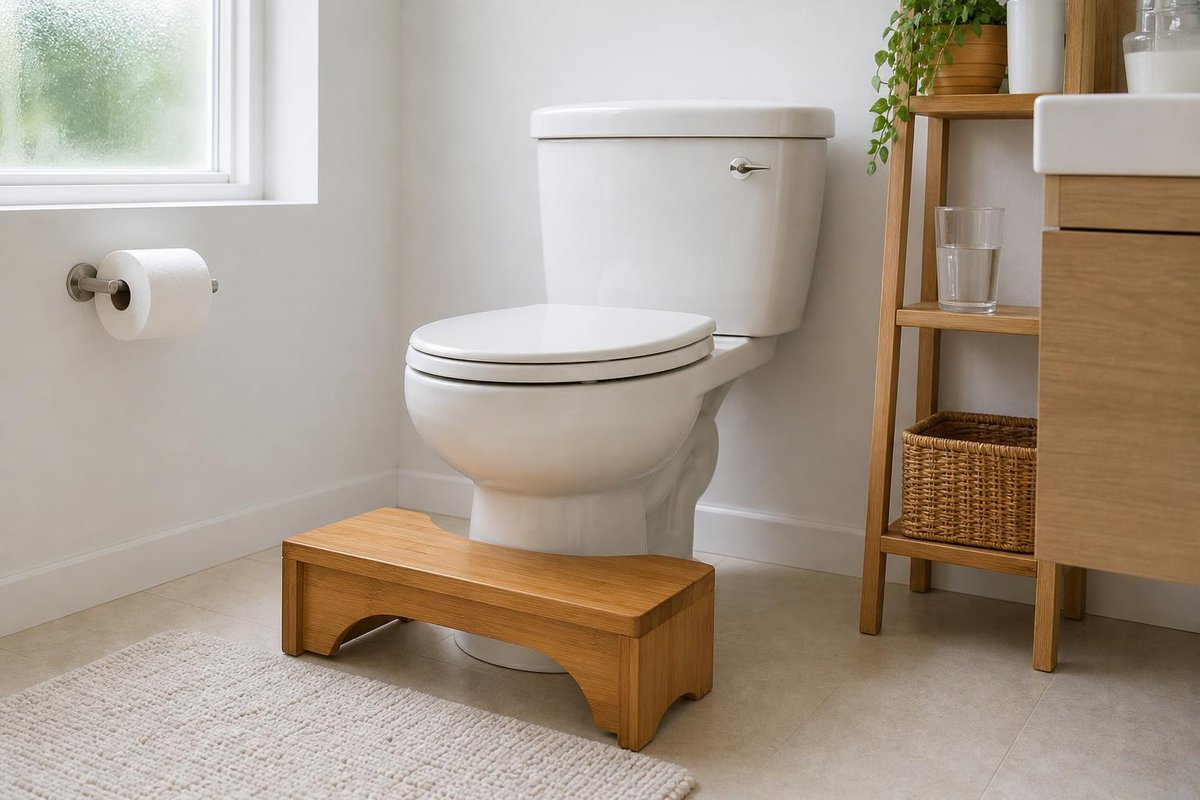
A position taught to women recovering from a severe tear takes the strain out of it: sit with your feet on a footstool so your knees are above your hips, which straightens out the bowel, then rest your elbows on your knees and bulge your belly out with big breaths as you go.
Breathing is also where ZeroCore, MomsLab’s 12-week recovery program after birth, begins: separate tracks after a vaginal birth and after a C-section, the pelvic floor before any load on the abdomen, sessions from 20 minutes at home, and a starting week you choose with your doctor.
Soothing the swelling
For the swelling and itching itself, the options after birth include medicated sprays or topical ointments, dry heat from a hair dryer on its low setting, sitz baths, and cold witch-hazel compresses.
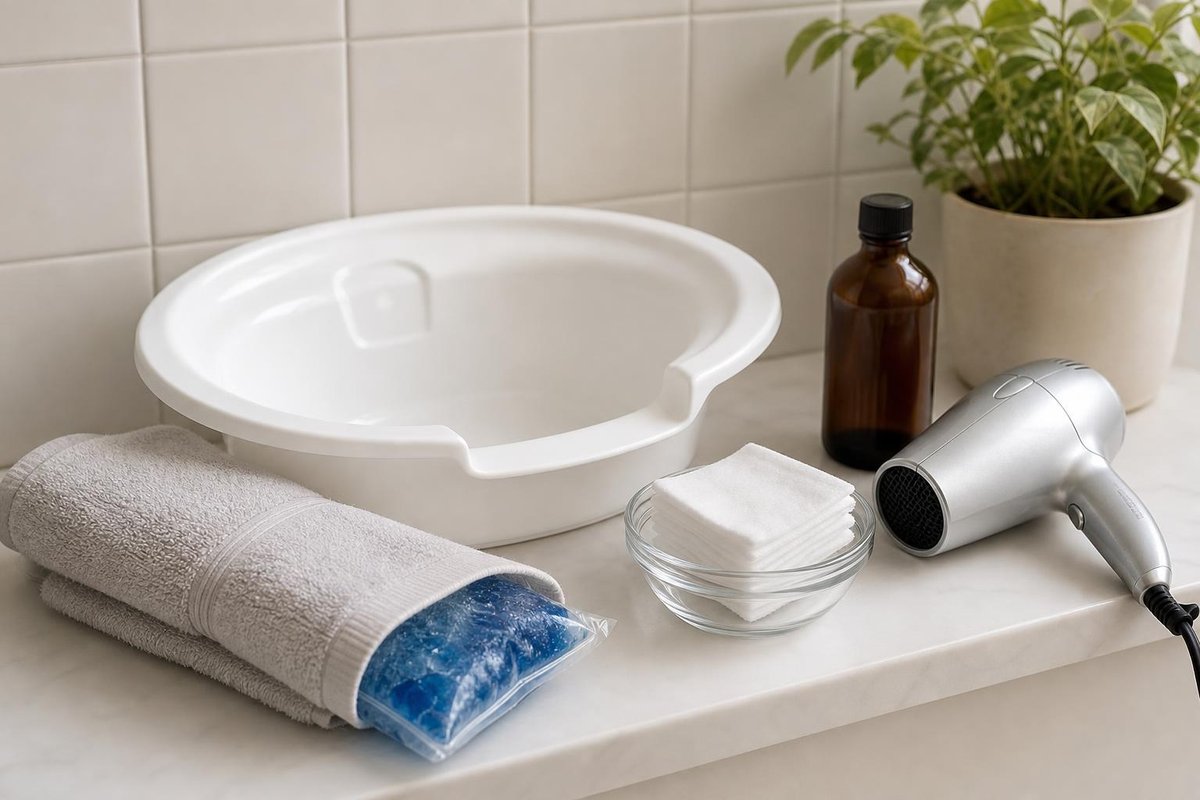
The simpler home measures count too: gently push a pile back inside if you can, hold an ice pack wrapped in a towel against the area, take a warm bath for itching and pain, keep your bottom clean and dry by patting rather than rubbing, and drink lots of fluid and eat fiber-rich food to keep poo soft.
In the UK, a pharmacist can suggest creams for the pain, itching and swelling, laxatives to help constipation and soften poo, and cold packs to ease discomfort.
After a C-section
If you had a C-section, the going-home advice says hemorrhoid symptoms may be helped by warm tub baths shallow enough to keep your incision above the water, cold compresses over the area, over-the-counter pain relievers, hemorrhoid ointments or suppositories, and bulk laxatives to prevent constipation, so ask your provider if you want a recommendation.


- Yoga and Pilates after vaginal/cesarean birth
- Cardio and toning
- Morning and evening workouts
- 10–30 minutes a day
- Nutrition and macronutrient program
- Consultations with experts
- Psychological support
- Meditation, SPA and podcasts
Painkillers, where the advice splits
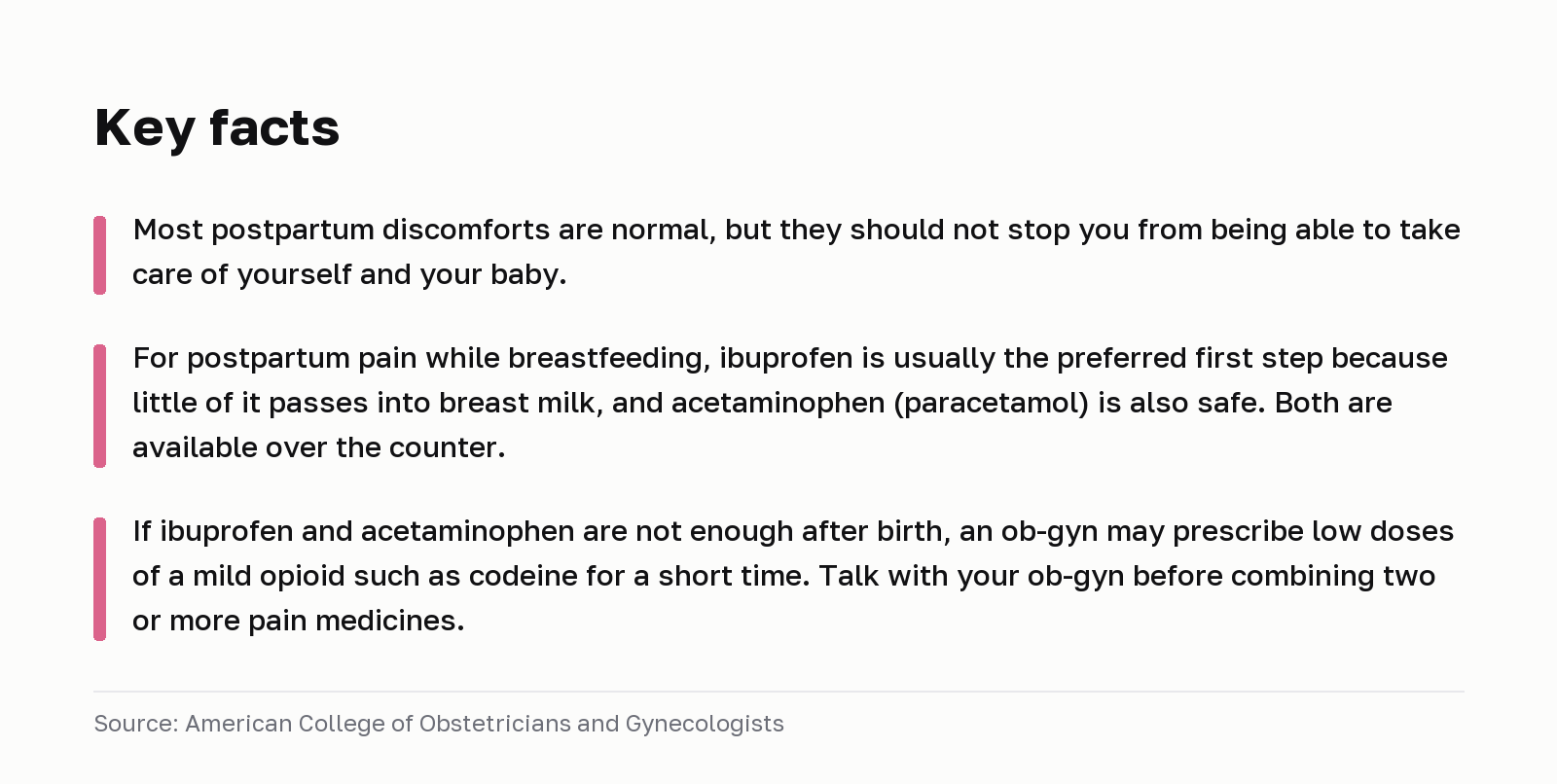
For pain after birth while breastfeeding, ACOG (the American College of Obstetricians and Gynecologists, the US professional body for ob-gyns) says ibuprofen is usually the preferred first step because little of it passes into breast milk, and that acetaminophen, called paracetamol outside the US, is also safe; both are sold over the counter.
The NHS, the UK’s National Health Service, advises not taking ibuprofen if your piles are bleeding.
That stops people, because it seems to cancel the ibuprofen advice outright. It is narrower than it looks: ACOG is talking about pain after birth in general, the NHS about piles that bleed. So if yours are bleeding, reach for paracetamol, which the NHS advises when piles hurt and which ACOG counts as safe while breastfeeding.
Codeine
If those two are not enough, an ob-gyn may prescribe a low dose of a mild opioid such as codeine for a short time, and you should talk with them before combining two or more pain medicines.
The NHS advises against painkillers containing codeine for piles, because they can cause constipation. If you are offered it, mention your hemorrhoids to whoever is prescribing: that side effect is the one thing you are working hardest to avoid.
How long they last
Piles in general often get better on their own after a few days. Recovery from birth runs on more individual clocks, with some postpartum symptoms lasting a handful of days and others several weeks. After a C-section, any hemorrhoids you develop should slowly decrease in size, and some may go away.
Rather than watching the calendar, judge by direction: smaller and less sore over time is the course you want, and stuck or worse after trying home care is the point to bring in a doctor.
If home care is not enough
If piles do not improve with home treatment, the NHS lists hospital options, decided with a doctor, such as banding, injections or other treatments that shrink them, usually done while you are awake so you can go home the same day; larger piles, or ones these do not help, may need surgery under general anesthesia, and treatment does not always stop them coming back.
When to call someone
Most postpartum discomforts are normal, but they should not stop you from being able to take care of yourself and your baby, so if hemorrhoid pain is doing that, tell your doctor.
The specific signs come from the NHS, so the services named are the UK’s; if you live elsewhere, take the signs and their urgency, and use your own local services.
Go now
These are about bleeding from your bottom, not the vaginal bleeding of recovery. Go to A&E (the hospital emergency department) or call 999, the UK emergency number, if you have piles and the bleeding from them is non-stop, there is a lot of blood or you see large blood clots, or you are in severe pain; do not drive yourself, but ask someone to take you or call an ambulance.
Today, not next week
If you have piles and a very high temperature, or you feel hot, cold, shivery and generally unwell, or pus is leaking from them, ask for an urgent GP (family doctor) appointment or get help from NHS 111, the UK’s urgent advice line.
The one people tend to sit on is the quiet one. If you have piles and painless bleeding from your bottom, the NHS advises the same urgent GP appointment or help from NHS 111. Painless sounds like the reassuring kind, which is exactly why it gets left, yet it sits on the urgent list beside fever and pus rather than with the itching. Blood is also one of the ordinary symptoms of piles, so if you cannot tell which you are seeing, treat the doubt as the reason to call.
Book an appointment
See a GP if your piles are getting worse or not improving after home treatment, if you keep getting them, or if you notice a change around your anus that is not normal for you; they may prescribe stronger medicines and check that nothing else is causing the symptoms.
A problem with your bowel, mostly
Postpartum hemorrhoids feel like a problem with your bottom, and most of the fixing happens one step upstream. Treat the next poo as the thing you are preparing for: water through the day, a walk when you can manage one, the footstool by the toilet, no pushing. The creams are for the hours in between.
Sources
- American College of Obstetricians and Gynecologists. Postpartum Pain Management: ACOG
- MedlinePlus (National Library of Medicine, National Institutes of Health). Going home after a C-section: MedlinePlus Medical Encyclopedia
- National Health Service (United Kingdom). Lactulose: a laxative medicine to treat constipation: NHS
- National Health Service (United Kingdom). Piles (haemorrhoids): NHS
- Royal College of Obstetricians and Gynaecologists. Care of a third- or fourth-degree tear that occurred during childbirth (also known as obstetric anal sphincter injury OASI): RCOG


Download the app and get 7 days free use


