 eng
 rus
 deu
 spa
 fra
 ita
 por
 srp
 tur
 ukr
 por
 bos
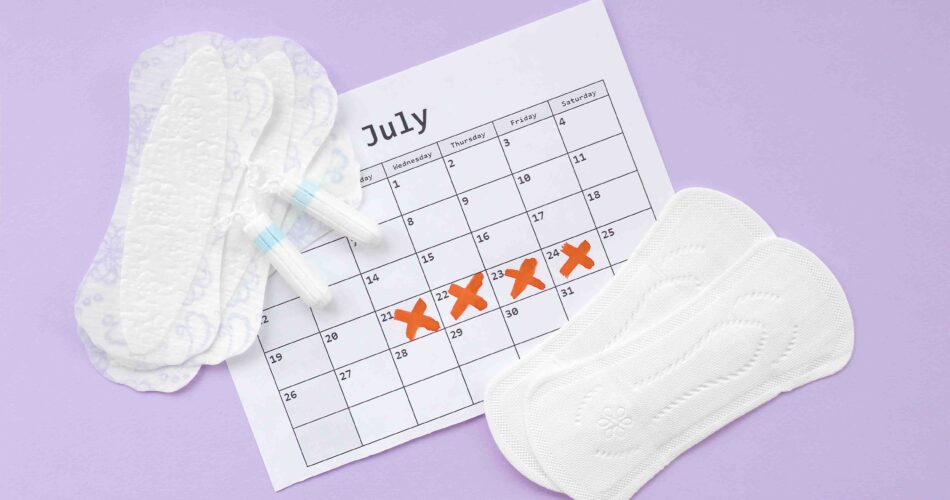
Your first period may return within weeks of birth or be delayed while you breastfeed, so there is no single date to expect it. Pregnancy can happen before that first period, which means an absent cycle is not enough to judge whether you need contraception.
Feeding affects the timing
If you bottle feed or combine bottle feeding with breastfeeding, a period may start as early as five to six weeks after birth. With full breastfeeding, including night feeds, periods may stay away until breastfeeding reduces.
Those are possible patterns, not deadlines. Someone else’s cycle returning earlier does not establish a problem with yours. Tell your GP or health visitor about a change that concerns you, especially if you also have pain or feel unwell, rather than trying to bring a period on by changing feeds on your own.
Postpartum bleeding is a different process
Bleeding that begins immediately after birth is called lochia. It comes from the uterus as it recovers and generally reduces over the following weeks. It is not the first menstrual period.
The article on bleeding after childbirth covers that recovery in detail. Use maternity or period pads while healing, and wait until after your postnatal check before using tampons or menstrual cups, following any individual advice you receive.


- Yoga and Pilates after vaginal/cesarean birth
- Cardio and toning
- Morning and evening workouts
- 10–30 minutes a day
- Nutrition and macronutrient program
- Consultations with experts
- Psychological support
- Meditation, SPA and podcasts
Ovulation can happen before a period
You can become pregnant from three weeks after birth, including while breastfeeding. Do not wait for bleeding to return before arranging postpartum contraception if you want to avoid pregnancy.
Breastfeeding can be used as contraception only under specific conditions, known as the lactational amenorrhoea method: your baby is under six months, periods have not returned and you are fully breastfeeding, including at night. It is not the same as simply having no period. If feeds reduce, night feeds stop, other feeds are introduced, periods return or your baby reaches six months, use another method rather than assuming protection continues.
The timing of sex after birth is a separate decision about comfort and recovery. Menstruation returning is neither a requirement nor permission to resume before you feel ready.
Do not dismiss concerning bleeding as a period
Sudden or very heavy bleeding, especially with faintness or a racing heartbeat, needs urgent medical assessment. Large clots, a high temperature or a sore, tender abdomen also need prompt contact with your maternity team. Do not wait to see whether the bleeding follows a familiar monthly pattern.
When asking about your cycle, note the dates, how heavy the bleeding is, whether you are breastfeeding and which contraception you use. That gives your clinician a clearer starting point than a predicted date on an app.
Sources


Download the app and get 7 days free use


