 eng
 rus
 deu
 spa
 fra
 ita
 por
 srp
 tur
 ukr
 por
 bos
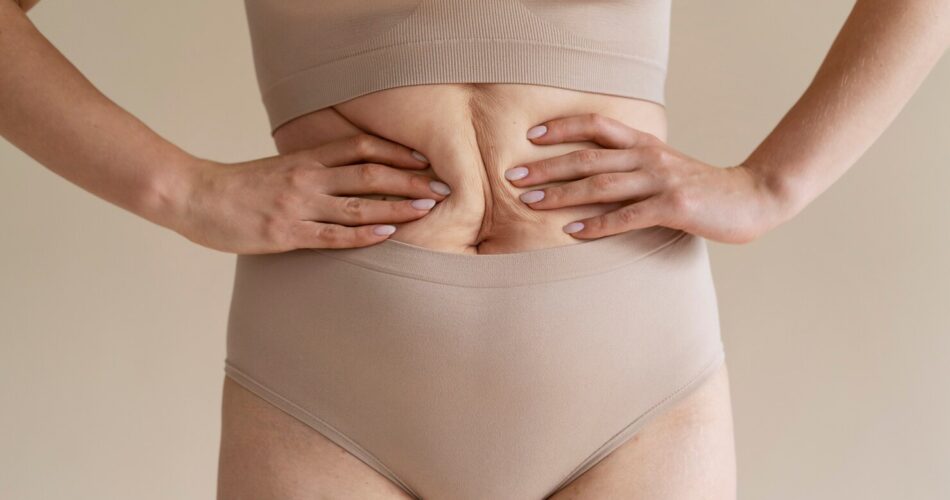
A larger belly after childbirth is not necessarily all body fat. The womb, abdominal muscles and skin also change during pregnancy and recovery. If you want to reduce body fat, gradual changes to eating and activity can help, but no abdominal exercise can select exactly where you lose it.
First consider what is changing
Your tummy can remain larger and softer after birth while tissues recover. Comparing it with a photograph or your pre-pregnancy clothes does not show whether there is a health problem.
A persistent gap or bulge in the middle of the abdomen may need assessment for diastasis recti. Pain, difficulty with daily activities, leaking urine or pelvic heaviness are reasons to ask for help. Do not assume that more weight loss will solve those symptoms.
Belly fat and muscle strength need different approaches
Sit-ups and other abdominal exercises can strengthen muscles, but they do not specifically remove the fat above them. The same applies to the fat at the sides of the waist, sometimes called love handles. Repeating side bends does not choose that area for fat loss.
If reducing body fat is appropriate for you, the aim is a sustainable overall change. A strict diet or exhausting workout is not required to begin. Ask your GP or health visitor about support that takes account of your recovery and whether you are breastfeeding.
For the separate question of rebuilding abdominal strength, focus on comfortable movement and gradual progression rather than a particular waist size.


- Personalized meal plan
- Calorie calculator
- Goal-oriented menu (reduction/maintenance)
- Recipes and shopping list
- Online yoga and workouts
- Meditations and mindful eating
- Nutritionist and trainer support
- Chat consultations
Make eating well easier before restricting it
Try to keep regular opportunities to eat, with varied foods that you enjoy. Preparing extra portions for another day or accepting a meal from someone close can reduce the effort involved. Frozen and tinned fruit and vegetables can also make meals easier to assemble.
If you join a weight-management programme, tell the adviser that you have recently given birth and whether you breastfeed. Avoid applying a generic calorie target without that context. The article on weight loss after childbirth considers the broader question.
Increase activity as recovery allows
After an uncomplicated birth, gentle walking and suitable exercises can begin when you feel able. A caesarean or complications may require a different plan. Seek advice before strenuous activity if you are unsure about healing or have symptoms.
Build up gradually and notice how you feel afterwards. Pain, leaking or pelvic heaviness should prompt a change and assessment, not another set of repetitions. A fixed date after birth is not proof that every exercise is suitable.
Be cautious about promises to restore the skin
Skin changes are not the same as fat or muscle weakness. Stretch marks may become less noticeable with time, but creams cannot be relied on to remove them. Do not expect wraps or a massage to replace the process of recovery or a supported weight-management plan.
You do not need a flat stomach to demonstrate that you have recovered well. Choose goals that support comfort, strength and daily life, and ask for assessment when symptoms interfere with them.
Sources
- British Heart Foundation. What's the best exercise to lose fat around your belly?
- NHS. Keeping fit and healthy with a baby
- NHS. Stretch marks in pregnancy
- NHS. Your post-pregnancy body
- NHS, United Kingdom. Your body after the birth


Download the app and get 7 days free use


