 eng
 rus
 deu
 spa
 fra
 ita
 por
 srp
 tur
 ukr
 por
 bos
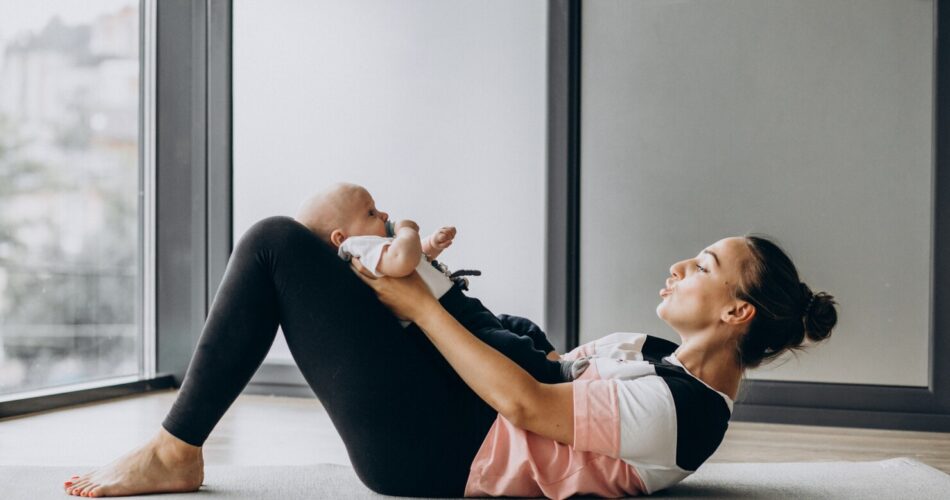
Postnatal yoga can be a way to return to comfortable movement after birth. It does not reset hormones, establish milk supply or guarantee a flatter stomach. The useful starting point is how you feel, how the birth went and which movements you can manage without symptoms.
A class labelled gentle may still contain demanding positions. Tell the teacher when you gave birth and about a caesarean, stitches, pain or pelvic floor symptoms before joining.
Start with recovery rather than a deadline
After a straightforward birth, gentle activity such as walking and comfortable stretches can begin when you feel ready. That does not mean returning immediately to your previous yoga routine.
After a caesarean or a complicated delivery, ask your midwife, GP or physiotherapist about progression. A calendar alone cannot tell you whether a wound has healed enough for a particular movement.
Use your postnatal appointment to discuss what you want to do. Describe the class or movements rather than asking only whether exercise is allowed. More demanding activity may need a different plan from breathing quietly in a supported position.
Choose a class that can adapt
Look for a teacher experienced in postnatal exercise who welcomes questions and offers alternatives. Ask whether you can pause, feed your baby or leave early without feeling pressured to complete the session.
At home, choose a clear space with a stable surface. Keep your baby somewhere safe rather than balancing them on your body while learning a movement. An online recording cannot assess pain or correct an exercise that does not suit your recovery.
You do not need to buy a full set of equipment before trying a class. Ask what is provided and whether the teacher can suggest comfortable support.
Keep breathing and movement manageable
Begin with a supported sitting or resting position that does not pull on a wound or make symptoms worse. Breathe normally, without holding your breath or forcing the abdomen inward.


- Yoga and Pilates after vaginal/cesarean birth
- Cardio and toning
- Morning and evening workouts
- 10–30 minutes a day
- Nutrition and macronutrient program
- Consultations with experts
- Psychological support
- Meditation, SPA and podcasts
Move through a comfortable range. Avoid chasing the stretch you could reach before pregnancy: joints and ligaments can remain more flexible for a while after birth, and excessive stretching or twisting can cause injury.
A useful session can be brief. Stop before fatigue makes it difficult to control the movement. There is no universal number of poses or breaths that every new mother needs to complete.
Specific breathing exercises after birth can be considered separately from a full yoga class.
Notice symptoms rather than pushing through
Pain, urinary leakage or pelvic heaviness are reasons to adjust the activity and ask for advice. Do not treat them as proof that you need to work harder.
If your abdomen bulges during a movement, reduce the difficulty and discuss the exercise with a physiotherapist if it continues or concerns you. Abdominal separation after pregnancy needs an assessment based on symptoms and function, not promises from a pose.
After surgery, increasing wound pain, redness, swelling or discharge needs medical advice. Seek urgent help for severe pain, shortness of breath or a painful swollen leg.
Build a routine that leaves room for rest
Choose a time when another adult can help if possible. Keep the first attempt simple enough that stopping early does not feel like a failed workout.
Yoga is one option alongside walking and gradual strengthening. It should leave space for food, sleep and the ordinary demands of caring for a baby.
The broader process of recovery after childbirth includes more than exercise. If a class adds pressure or leaves you struggling afterwards, change the format, ask for adaptations or rest.
Sources
- NHS. Keeping fit and healthy with a baby
- NHS. Recovery after caesarean section
- NHS. Your post-pregnancy body
- NHS, United Kingdom. Your 6-week postnatal check


Download the app and get 7 days free use


