 eng
 rus
 deu
 spa
 fra
 ita
 por
 srp
 tur
 ukr
 por
 bos
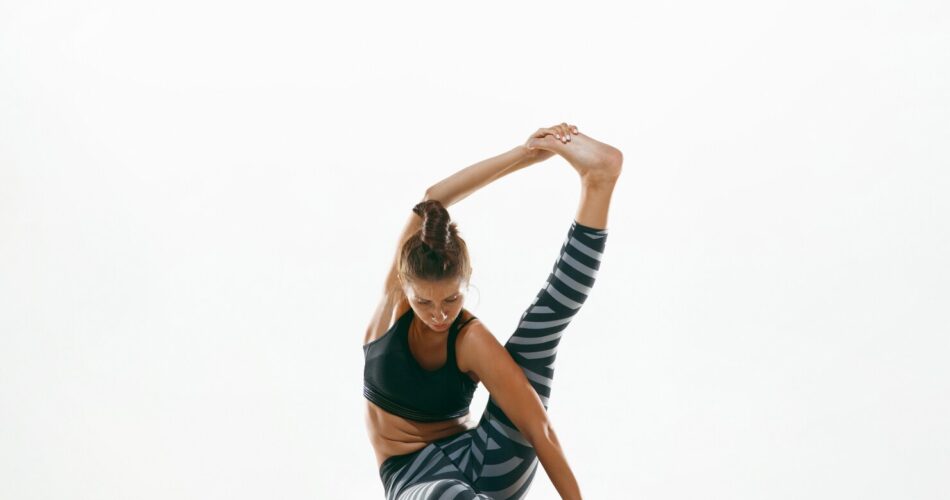
Heron pose, also called Kraunchasana or Krounchasana, is a seated position with one leg lifted. Bringing the knee to your face is not a requirement.
Setting up the position
Begin sitting upright with both legs forward, as in staff pose. In the full pose, one knee bends with the foot beside the hip. A simpler option keeps that leg straight.
Bend the other knee and support the foot with your hands or a strap. Raise it gradually while keeping your chest lifted. Straighten only as far as your position remains comfortable. Lower the leg with control before changing sides.
Adapting both legs
A strap can make the raised foot easier to reach without collapsing the chest. Keep the knee bent if straightening it pulls you out of position. For knee or ankle problems, avoid forcing the folded-leg version and seek an experienced teacher’s help.


- Yoga and Pilates after vaginal/cesarean birth
- Cardio and toning
- Morning and evening workouts
- 10–30 minutes a day
- Nutrition and macronutrient program
- Consultations with experts
- Psychological support
- Meditation, SPA and podcasts
The target is a manageable stretch, not a particular height. If you need a quieter practice, choose relaxing yoga positions instead of repeatedly attempting the deepest version.
Pregnancy changes the decision
This is a description of the pose, not a reason to start a demanding stretch during pregnancy. Tell your instructor that you are pregnant and ask for an alternative if the position no longer fits comfortably around your bump.
NHS guidance advises starting new activity gently and stopping if you feel uncomfortable, overheated or unwell. Keep water nearby and avoid treating flexibility as something to push through. If you have a health condition or an exercise restriction, discuss the practice with your midwife first.
Yoga during pregnancy can use other positions. Leave heron out of a session when it requires strain; you do not need this particular shape to keep moving.
Sources
- NHS. Exercise in pregnancy
- Yoga Journal. Heron pose


Download the app and get 7 days free use


