 eng
 rus
 deu
 spa
 fra
 ita
 por
 srp
 tur
 ukr
 por
 bos
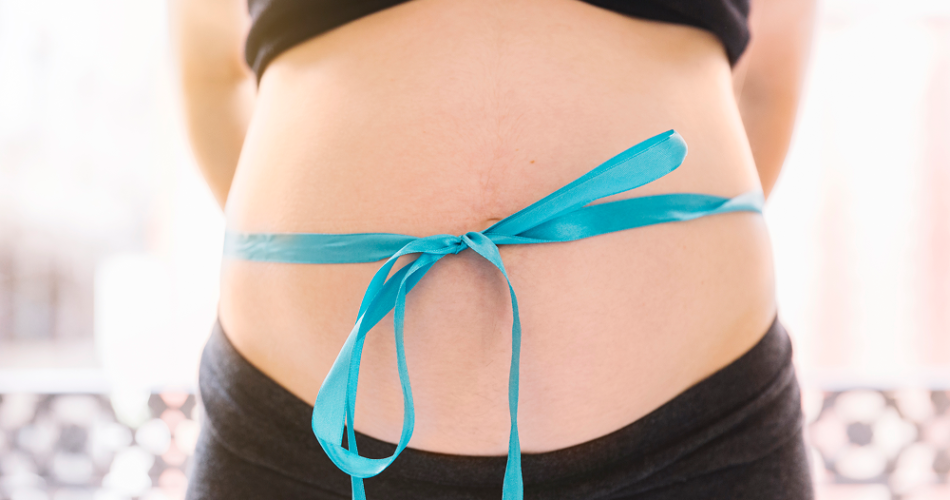
Your abdomen will usually still look different from before pregnancy after a caesarean. Pregnancy stretches the abdominal muscles, and surgery adds a wound that needs care. How your tummy looks is not a reliable measure of whether healing is complete.
Focus first on comfort, the wound and everyday movement. A flat abdomen is not a required milestone for the first weeks after birth.
Separate appearance from healing
The NHS explains that the tummy can remain larger after delivery partly because the muscles have stretched. Skin and body shape can also remain different as recovery progresses.
A caesarean wound eventually forms a scar. It may look quite noticeable at first and fade with time, but its appearance does not tell you everything about the tissues underneath.
Do not diagnose a fold above the scar as fat, swelling or a muscle problem from a photograph alone. If a change is painful, growing or worrying you, ask your midwife or GP to assess it.
Follow the wound-care plan
Your maternity team should explain how to care for the dressing and wound after discharge. NHS advice includes gentle daily cleaning and drying, and loose, comfortable clothing.
Ask who to contact if you notice a problem and when any non-dissolving stitches or staples will be removed. Follow the instructions given for your own wound.
Do not begin massaging an open, scabbed or inflamed area because a cosmetic routine recommends it. Discuss scar care once healing has been assessed.
Move without trying to flatten the tummy
Gentle walking and ordinary movement, increased gradually, are part of recovery. You do not need to remain in bed until the abdomen looks smaller.
At the same time, feeling better does not mean that every demanding exercise is appropriate. Ask about lifting, heavier chores and returning to your usual activity.


- Yoga and Pilates after vaginal/cesarean birth
- Cardio and toning
- Morning and evening workouts
- 10–30 minutes a day
- Nutrition and macronutrient program
- Consultations with experts
- Psychological support
- Meditation, SPA and podcasts
Exercise after a caesarean is a separate question about progressing the workload, rather than judging body shape.
Get help with persistent bulging or weakness
Some people notice the middle of the abdomen bulging during effort. NHS physiotherapy services assess how the abdominal muscles work and can guide a suitable exercise programme.
Diastasis recti is a separate condition to discuss with a professional; a gap or bulge should not be used as a personal score of recovery.
Tell the clinician if movements also bring pain, urinary leakage or vaginal heaviness. The plan may need adapting rather than simply adding more repetitions.
Avoid a fixed recovery deadline
Different births and operations lead to different recovery needs. A routine check is a chance to review progress, not a certificate that all tissue recovery must be finished.
If you are considering a support garment after a caesarean, ask the team whether it would help your comfort. It should not replace wound care or an assessment of symptoms.
Avoid trying to force a rapid change with tight wrapping or severe food restriction. Keep practical help, meals and rest in the recovery plan.
Seek advice when symptoms worsen
Contact your midwife or GP promptly for severe or increasing pain, a wound that becomes redder, swollen or more painful, or pus or foul-smelling fluid from it. Heavy vaginal bleeding also needs urgent advice.
Shortness of breath, a cough or pain and swelling in a lower leg after surgery need prompt assessment because they can signal a blood clot. Sudden severe breathing difficulty or chest pain needs emergency help.
Do not wait for a scheduled review if you feel more unwell. Describe when symptoms started and that you recently had a caesarean.
Sources
- NHS. Recovery after caesarean section
- NHS. Your body after the birth
- NHS. Your post-pregnancy body
- NHS Fife. Postnatal physiotherapy


Download the app and get 7 days free use


