 eng
 rus
 deu
 spa
 fra
 ita
 por
 srp
 tur
 ukr
 por
 bos

Keep perineal tear stitches clean with a daily wash in plain water and gentle front-to-back wiping, and ease the soreness with a wrapped ice pack and simple painkillers. The routine is short. The real skill is reading which way things are going, because soreness that fades is the ordinary course, while pain that grows, a new smell or red, swollen skin is your cue to call.

Keeping the stitches clean
Wash the stitched area every day using plain water only to help prevent infection. There’s nothing to buy or mix.


Wipe gently from front to back to help stop bacteria from your anus infecting the cut and surrounding tissue. Wash your hands before and after going to the toilet, not only after.
Baths and creams
In the United States (US), warm baths and sitz baths, which cover just the vulval area, are allowed a few times a day starting 24 hours after birth, with the bathtub cleaned with disinfectant before every bath.
Australian advice is to avoid soaking in baths, putting powders or creams on the scar, and using tampons for the first 6 weeks after birth. The same guidance says not to put any cream, ointment or powder on the area unless your healthcare provider has told you to.
You don’t have to settle this yourself. Ask the midwife or doctor looking after you which advice they follow, and until you have an answer, stay with the daily plain-water wash. It needs no tub.
The first poo
Opening your bowels is very unlikely to break the stitches or reopen the cut or tear, even after a third- or fourth-degree repair. That first trip can feel wrong: the stitches sit beside where you push, in tissue that’s raw in the first days, so holding on can feel like protection. They don’t need it. Go when the urge comes.
After a third- or fourth-degree tear, your doctor may recommend stool softeners for the first week because straining can put pressure on the wound.
Easing the pain
After an episiotomy (a cut made to widen the opening during birth) or a first- or second-degree tear, a towel-wrapped ice pack can ease pain, but never put ice directly on your skin because it can cause damage.

For episiotomy pain, United Kingdom (UK) guidance says paracetamol can help and is safe while breastfeeding, ibuprofen is also thought to be safe for nursing mothers but worth checking with your doctor first, and aspirin isn’t recommended because it can pass to your baby through breast milk.
Severe pain may need stronger prescription painkillers such as codeine, but these may affect whether you can breastfeed safely, so ask your general practitioner (GP) or midwife first.
Protecting the stitches
Avoid positions and activities that put pressure on the muscle or reduce blood flow to the area, such as sit-ups, lifting and high-impact exercise.
US advice is to wait 6 weeks before using tampons, having sex or doing anything else that might break the stitches, though you can return to light activities such as office work or house cleaning when you feel ready.
US and Australian advice agree on waiting 6 weeks to use tampons. Light activity has no deadline.
How long healing takes
UK guidance says episiotomy stitches should heal within a month of the birth and pain lasting longer than 2-3 weeks is unusual: if yours does, speak to a doctor, health visitor or other health professional. For a smaller tear or cut, week 3 is a useful marker. Pain that’s still there is worth a call.
After a first- or second-degree tear, contact a healthcare professional if your stitches become painful or smelly, the wound doesn’t heal, or you have trouble controlling your bowels or wind.
Third- and fourth-degree tears
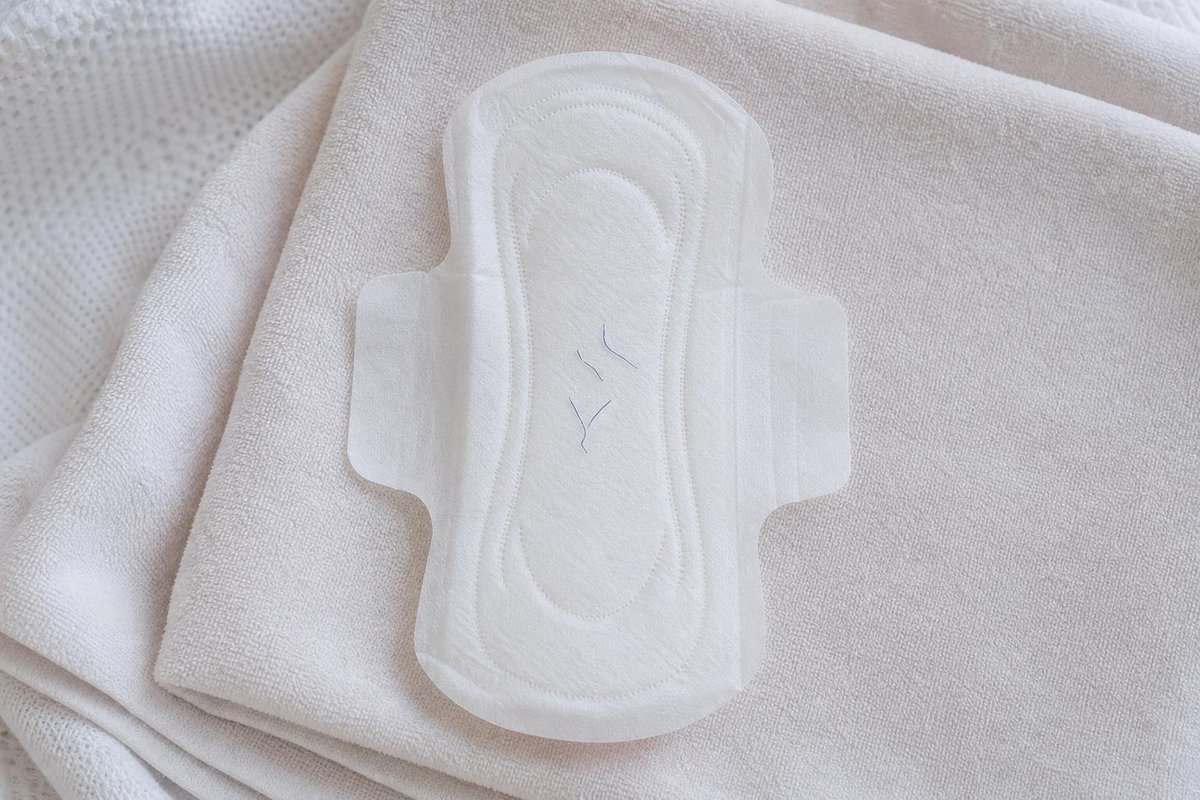
After a third- or fourth-degree tear, pain or soreness for 4-6 weeks is likely, you may feel some stitches for up to 3 months, especially around the anal muscle, and small threads may appear in your pad as they dissolve.


- Pelvic floor
- Flat stomach
- Healthy back
- Posture and tone
- Yoga and Pilates
- Personalized menu
- Macronutrients and eating habits
- Meditations and podcasts
After a third- or fourth-degree repair in the UK, you should be offered paracetamol and ibuprofen, advice to take a course of antibiotics and laxatives, and a physiotherapy appointment, and you can ask for stronger pain relief. If these weren’t offered after a UK birth, ask.
See a healthcare professional if a third- or fourth-degree tear bleeds, develops any smell or becomes more painful, as these may be signs of infection that needs antibiotics.
Recovery after repair
After repair and time to heal, 6-8 in 10 women with a third- or fourth-degree tear have no long-lasting complications.
The chance of anal incontinence is higher with more severe grades of tear and rises with time after repair, but international specialist guidance reports no symptoms in about 4 in 5 women up to 24 months after the first repair (82%).
The figures count slightly different things, but both point to recovery for most women. Raise bowel trouble early. Whatever the degree of your tear, tell your midwife or doctor if you can’t control your bowels or wind, or if poo is leaking.
When to call
None of these signs should wait for the six-week check or another routine appointment.
Get urgent help
If wind or poo comes out through the vagina, see a healthcare professional urgently: this isn’t normal and can mean a hole between the back passage and the vagina, a rare injury that can happen even when the anal sphincter wasn’t torn.
Call as soon as you can
You can use a mirror to check the area, and call your midwife or GP for worsening stitch pain, smelly discharge or red, swollen skin around the cut or tear, signs UK guidance counts as possible infection rather than an emergency.
These signs, along with pus or liquid from the wound, pain that doesn’t go away or an unusual smell, may mean a cut or tear is infected, so tell a GP, midwife or health visitor as soon as you can.
- Australian advice is to see your doctor before the 6-week check if you develop a temperature, notice an unusual smell or discharge from the tear, have an inflamed, swollen or red perineum, or the tear still hurts after 2-3 weeks.
- US advice is to contact your provider if your pain gets worse, you go 4 or more days without a bowel movement, you pass a blood clot larger than a walnut, you have a bad-smelling discharge, or the wound seems to break open.
A call about something that turns out to be nothing costs you ten minutes.
If the wound opens
Stitches rarely come undone on their own, but infection or pressure from bleeding underneath can leave an open wound: signs of this breakdown include increasing pain, new bleeding, pus-like discharge, feeling unwell, stitch material coming away soon after birth or seeing that the wound has opened.
Treatment
If there’s a problem with your stitches, a healthcare professional will examine them and may take a swab, and most women receive a short course of antibiotics and pain relief, though some who feel unwell need hospital admission for antibiotics through a drip.
An infected wound won’t be re-stitched because this can trap infection inside and the tissue may not knit together well, but once the infection has gone or been treated, the wound may be re-stitched in theatre.
Caring for an open wound
Anti-inflammatory pain relief such as ibuprofen may help when a wound has broken down, and UK guidance for this situation says it is safe while breastfeeding. If you’re feeding and haven’t asked about it yet, ask the clinician examining the wound.
Keep an opened wound as clean and dry as possible: wash only with water at first, let it dry naturally rather than rubbing it with a towel, and don’t use shower gels, creams or oils on it.
The care itself stays short: a daily plain-water wash, gentle front-to-back wiping, a wrapped ice pack and simple painkillers, and no holding on when the urge to poo comes. What matters more is the direction things take. Soreness that fades week by week is the ordinary course. Pain that grows, a new smell, red or swollen skin, or anything leaking from the wound is your cue to call your midwife or GP now, not at the six-week check. If you can’t tell which way it is going, look with a mirror and call anyway. A call about something that turns out to be nothing costs you ten minutes.
Sources
- International urogynecology journal. IUGA International Guidelines on Obstetric Anal Sphincter Injuries
- MedlinePlus (National Library of Medicine, National Institutes of Health). Episiotomy: aftercare: MedlinePlus Medical Encyclopedia
- National Health Service (United Kingdom). Episiotomy and perineal tears: NHS
- National Health Service (United Kingdom). Your body after the birth: NHS
- Pregnancy, Birth and Baby (Healthdirect Australia). Perineal tears: Pregnancy, Birth and Baby
- Pregnancy, Birth and Baby (Healthdirect Australia). Scar healing and recovery: Pregnancy, Birth and Baby
- Royal College of Obstetricians and Gynaecologists. Care of a third- or fourth-degree tear that occurred during childbirth (also known as obstetric anal sphincter injury OASI): RCOG
- Royal College of Obstetricians and Gynaecologists. First- and second-degree tears: RCOG
- Royal College of Obstetricians and Gynaecologists. Perineal wound breakdown: RCOG


Download the app and get 7 days free use


