 eng
 rus
 deu
 spa
 fra
 ita
 por
 srp
 tur
 ukr
 por
 bos
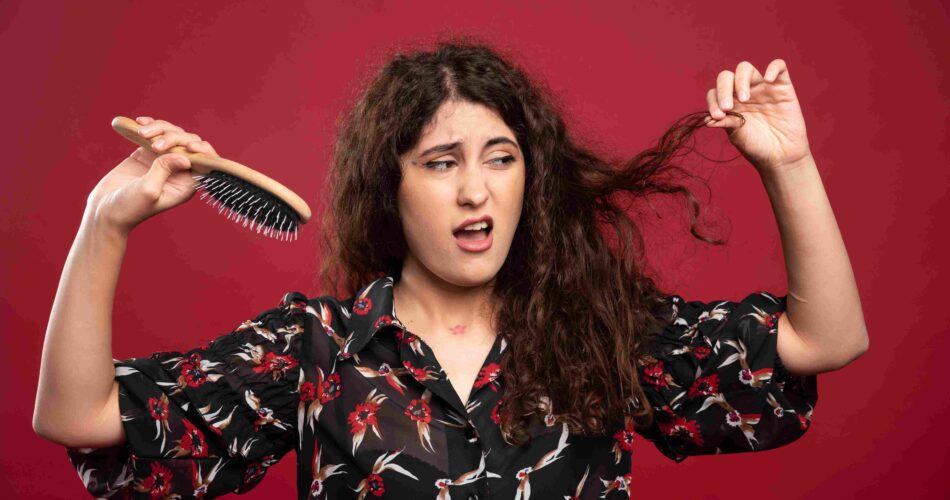
More hair in the shower or on your brush after childbirth can be unsettling. A common explanation is temporary shedding called telogen effluvium, but a new baby does not rule out other causes of hair loss.
If the change worries you, you can speak to your GP now. You do not need to wait a year, count every hair or buy a course of treatments before asking what is happening.
Why shedding can appear later
Childbirth can disrupt the normal hair cycle, moving more hairs into the resting and shedding phase. Increased shedding may become noticeable around three months after the trigger rather than immediately after delivery.
This usually affects the scalp more generally, reducing volume rather than creating isolated bald patches. The shedding phase often lasts three to six months, while visible thickness may take longer to recover.
These are typical patterns, not a deadline. Persistent shedding or a different pattern needs assessment rather than assuming that every change is part of postpartum recovery.
What to tell your GP
Bring a brief account of when the shedding began, whether it is improving and whether it affects the whole scalp or particular areas. Mention recent illness, substantial weight loss, restrictive eating and changes in medicines.
Explain any scalp soreness, rash, scaling or other symptoms. If you have photographs taken in similar lighting, they may help you describe the change, but you do not need a formal record before booking.
A clinician can examine the scalp and decide whether tests are useful. Iron deficiency and thyroid conditions are among the possible causes that may need checking. A blood test package is not automatically necessary for everyone.
Hair loss that started during pregnancy is a separate history worth mentioning.


- Yoga and Pilates after vaginal/cesarean birth
- Cardio and toning
- Morning and evening workouts
- 10–30 minutes a day
- Nutrition and macronutrient program
- Consultations with experts
- Psychological support
- Meditation, SPA and podcasts
Make everyday care gentler
Avoid harsh brushing, tight hairstyles and frequent use of heated tools. Handle the hair gently rather than trying to stimulate the scalp with vigorous rubbing.
You can choose a hairstyle or cosmetic product that makes thinning less noticeable while it recovers. That is different from treating the cause. Spending more on a product does not show that it will shorten the shedding phase.
The question of colouring hair after birth is separate from diagnosing hair loss. Bleaching and other harsh chemical treatments can be unhelpful when hair is already fragile.
Do not apply mustard, pepper or other irritating mixtures to make the scalp feel hot. Irritation can cause sore, itchy or damaged skin and is not evidence that hair growth has been activated.
Check supplements and medicines before using them
Many cases of telogen effluvium improve without medicine. If a deficiency or another condition is found, treatment should address that finding.
Do not assume that a prenatal vitamin, iron supplement or a product sold for hair is the right answer. Tell your clinician what you already take so that ingredients and doses can be reviewed.
If you are breastfeeding, check any proposed medicine with a pharmacist or prescriber. Most medicines can be used while breastfeeding, but suitability depends on the product and circumstances. Do not stop prescribed treatment on your own.
Look after the effect on your wellbeing
Hair loss can be distressing even when it is temporary. Tell your GP if worry is affecting daily life, or if you are avoiding seeing people because of it. Support can include discussing practical cosmetic options or emotional help.
Other body changes after childbirth may be happening at the same time. You do not have to solve them all together. For the hair change, the next useful step is understanding its pattern and checking any features that do not fit simple temporary shedding.
Sources
- British Association of Dermatologists. Telogen effluvium
- NHS. Breastfeeding and medicines
- NHS. Contact dermatitis
- NHS. Hair loss


Download the app and get 7 days free use


