 eng
 rus
 deu
 spa
 fra
 ita
 por
 srp
 tur
 ukr
 por
 bos
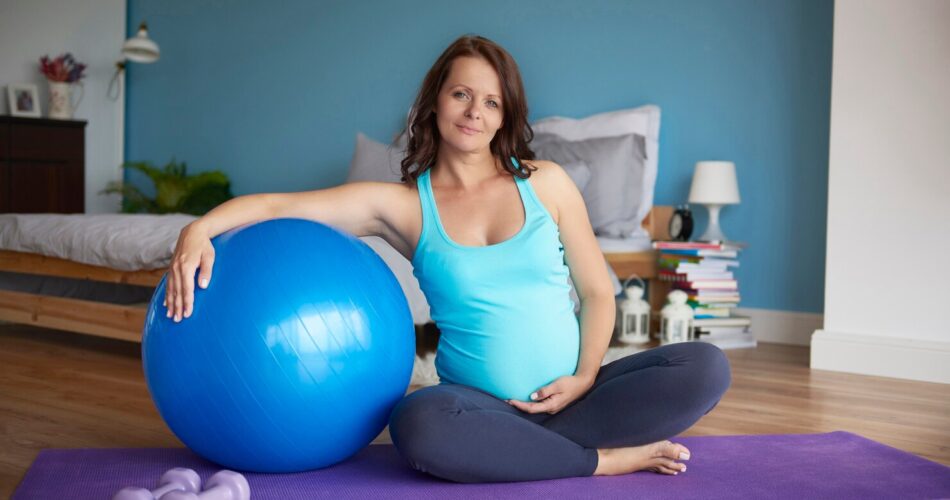
In an uncomplicated pregnancy, you can usually stay active during the second trimester, adapting the activity as your bump grows. Walking, swimming and suitable strength exercises are options. You do not need to switch to yoga or complete a fixed routine to make exercise worthwhile.
Choose an effort you can sustain
If you were inactive before pregnancy, start gently and build up. If you already exercise, discuss changes when symptoms or a pregnancy complication arise rather than assuming your previous routine will always suit you.
UK guidance recommends aiming for 150 minutes of moderate activity each week, with muscle strengthening on two days. This is a goal to work towards, not a requirement to meet immediately. Short sessions count. Moderate effort makes you breathe faster while still allowing conversation; ease off if you cannot talk comfortably.
Choose a manageable starting point, such as a short walk, and see how you feel. There is no need to compensate for a missed session with a harder workout.
Adapt the activity, not just the timetable
Swimming supports your weight in the water, while walking is often easier to fit into daily life. A pregnancy exercise class can provide alternatives as positions become uncomfortable. Tell the instructor that you are pregnant and mention any restrictions from your maternity team.
Avoid contact sports, activities with a substantial risk of falling and exercise in excessive heat. Drink regularly. In later pregnancy, avoid spending long periods exercising flat on your back; change position if you feel faint or uncomfortable.


- Personalized meal plan
- Calorie calculator
- Goal-oriented menu (reduction/maintenance)
- Recipes and shopping list
- Online yoga and workouts
- Meditations and mindful eating
- Nutritionist and trainer support
- Chat consultations
A class should offer options rather than require you to hold every pose. Yoga in the second trimester covers that particular form of activity. Exercise cannot guarantee an easy birth or prevent every pregnancy symptom.
If your back or pelvis hurts
Do not keep repeating a movement that increases pain. Reduce or stop the provoking activity and ask your midwife or a physiotherapist about assessment and alternatives. A general exercise routine may need adapting when pain affects walking, turning or everyday tasks.
The separate guide to lower back exercises in pregnancy addresses back discomfort rather than general fitness.
When to stop and get help
Stop exercising and contact your maternity team promptly for vaginal bleeding, leaking fluid, regular painful contractions, dizziness or significant abdominal pain. Chest pain or difficulty catching your breath also needs urgent medical attention.
If you already have a medical condition, a low-lying placenta or have been advised to restrict activity, ask your team what is suitable before starting or continuing a programme. Once you recognise your baby’s usual movement pattern, reduced or changed movements need immediate maternity advice, not another exercise session to test them.
For other everyday questions at this stage, see second trimester care and precautions.
Sources
- NHS Best Start in Life. Exercising in pregnancy
- NHS, United Kingdom. Exercise in pregnancy
- Tommy's. When to stop exercising in pregnancy
- UK Chief Medical Officers. Physical activity for pregnant women


Download the app and get 7 days free use


