 eng
 rus
 deu
 spa
 fra
 ita
 por
 srp
 tur
 ukr
 por
 bos
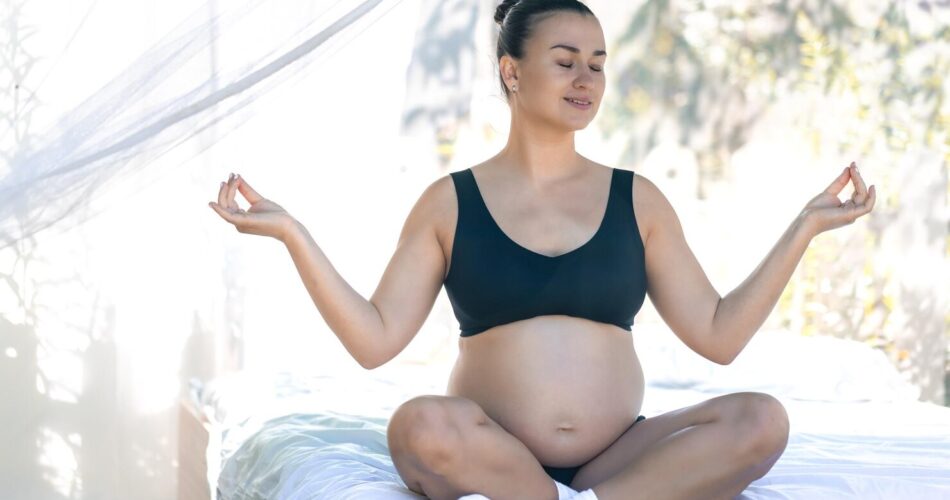
Daily pregnancy yoga can be a useful routine when your pregnancy is uncomplicated and the practice suits your experience. It does not need to be a full workout every day. Resting, shortening a session or changing the plan is reasonable when you feel tired or unwell.
Build a routine you can adjust
Choose a time when you are usually comfortable enough to move. Clear a stable space, keep water nearby and use movements you have already learned from an instructor experienced in pregnancy yoga.
A practical session might move from gentle warming up to familiar adapted poses, followed by comfortable rest. This is an organising idea, not a prescribed sequence. Ask your instructor which positions and transitions suit your current stage of pregnancy.
Avoid setting a daily target that makes you continue despite discomfort. On a difficult day, a shorter practice or a complete break may be the better choice. There is no need to make up missed sessions.
For choosing a suitable class and teacher, see hatha yoga for beginners. A daily routine is about fitting that practice into ordinary life without making each session harder.
Yoga and your weekly activity
UK guidance recommends working towards at least 150 minutes of moderate activity a week in an uncomplicated pregnancy. That total can include different activities and shorter sessions. If you are not active already, start with a manageable amount and build up gradually.
A quiet breathing or relaxation session does not automatically provide the same activity as a brisk walk. Include walking, swimming or other suitable movement as well, rather than relying on the label “yoga” to describe the intensity of every session.


- Pelvic floor
- Flat stomach
- Healthy back
- Posture and tone
- Yoga and Pilates
- Personalized menu
- Macronutrients and eating habits
- Meditations and podcasts
Pelvic floor exercises in pregnancy address a separate part of your movement routine. Learning to release the muscles matters as well as learning to contract them.
Adapt the practice as pregnancy progresses
Tell the instructor you are pregnant, including in an online class. As your balance and comfort change, use stable support and leave room for your bump. Do not force a stretch or hold a position that causes pain. For standing yoga poses in pregnancy, choose stability over depth.
In later pregnancy, avoid lying flat on your back for more than a few minutes. A comfortable side-lying rest may be easier. Stop and change position if you feel dizzy.
The US National Center for Complementary and Integrative Health advises pregnant people to avoid hot yoga. Its safety advice also cautions beginners against extreme poses and forceful breathing. A pregnancy routine does not require learning headstands or testing your flexibility.
Keep control of a home session
Pause an online pregnancy yoga class whenever you need to watch a movement again, rest or ask for clarification later. The video cannot assess symptoms or correct an uncomfortable position.
Stop if you feel too hot, uncomfortable or unwell. Seek medical advice for bleeding, fluid loss or new abdominal pain. Severe breathlessness, chest pain or fainting need urgent help. If you already have a health condition or pregnancy complication, discuss suitable activity with your midwife or doctor before using a general routine.
Sources
- NCCIH, USA. Yoga: Effectiveness and Safety
- NHS, United Kingdom. Exercise in pregnancy
- UK Chief Medical Officers. Physical activity for pregnant women


Download the app and get 7 days free use


