 eng
 rus
 deu
 spa
 fra
 ita
 por
 srp
 tur
 ukr
 por
 bos
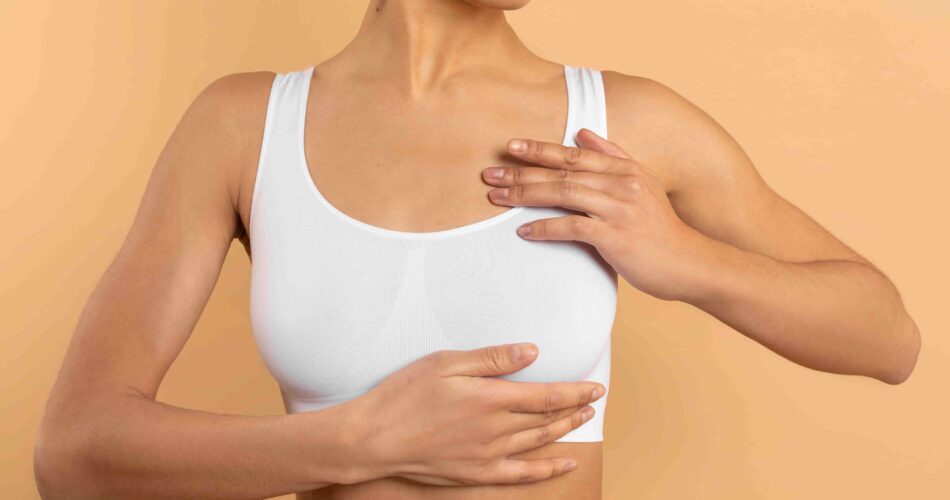
Breasts can change in size and shape during pregnancy and after birth. Exercise may help you rebuild strength, but it should not be presented as a guaranteed way to lift breast tissue or restore its previous shape.
You can choose support and care that feel comfortable while your body changes. There is no deadline by which your breasts must look as they did before pregnancy.
Understand what has changed
Breast tissue and skin respond to pregnancy, milk production and later changes in breast volume. The British Association of Aesthetic Plastic Surgeons explains that stretching of skin and supporting tissue can contribute to a lower position of the breasts.
These changes are not a measure of how well you have recovered or cared for your baby. They also do not establish that you need a cosmetic procedure.
The NHS notes that breasts naturally look and feel different during pregnancy and breastfeeding. Getting to know what is usual for you helps distinguish a gradual change from something that needs checking.
Separate strength from a promise of lifting
A chest exercise works muscles. It is not the same intervention as changing stretched breast skin or reshaping breast tissue.
If you want to return to strength training, choose movements appropriate to your recovery and build up gradually. A particular number of push-ups cannot promise a particular breast shape.
Breastfeeding is not, by itself, a reason to ban all exercise with resistance. Discuss suitable activity if you have pain, complications or uncertainty about returning to training.
Exercise while breastfeeding is a separate practical question.
Choose comfort in clothing and care
A well-fitting supportive bra may help while your breasts feel full or tender. Check the fit again if their size changes rather than continuing with a garment that digs in.


- Yoga and Pilates after vaginal/cesarean birth
- Cardio and toning
- Morning and evening workouts
- 10–30 minutes a day
- Nutrition and macronutrient program
- Consultations with experts
- Psychological support
- Meditation, SPA and podcasts
A skin product may feel pleasant, but do not assume that a cream, mask or massage can recreate the breast’s internal support. Ask what evidence supports a specific lifting claim before paying for a treatment.
Breast care after childbirth covers everyday comfort; it is different from changing breast shape.
Give a cosmetic decision time
A breast uplift is surgery that removes excess skin and reshapes the breast. It involves scars and possible complications, including bleeding, infection, altered sensation and dissatisfaction with the result.
If you want to explore it, consult an appropriately qualified surgeon and discuss breastfeeding and future pregnancy plans. Further pregnancy can change the result, and the surgeon may recommend waiting.
You do not have to decide while feeding is still changing or while you feel pressured by comparisons. Ask about recovery, costs, likely limitations and what happens if another procedure is needed.
Do not explain every change as postpartum
See your GP for a new lump, a persistent change in the skin or nipple, or pain that does not go away. Symptoms such as skin dimpling or a newly inverted nipple need assessment even if you are breastfeeding.
Most breast changes have causes other than cancer, but a check is more useful than guessing from an online image.
If the concern is pain during breastfeeding, ask for feeding support and assessment rather than adding firming exercises.
Set a goal that helps you
You might want a more comfortable bra, strength for everyday tasks or professional advice about an appearance change. These are different goals and may need different kinds of help.
Choose the next step around your own comfort and priorities, without treating a promised return to your previous shape as a condition of successful recovery.
Sources
- British Association of Aesthetic Plastic Surgeons. Breast uplift (mastopexy)
- NHS. How to check your breasts or chest
- NHS. Keeping fit and healthy with a baby
- NHS. Your body after the birth


Download the app and get 7 days free use


