 eng
 rus
 deu
 spa
 fra
 ita
 por
 srp
 tur
 ukr
 por
 bos
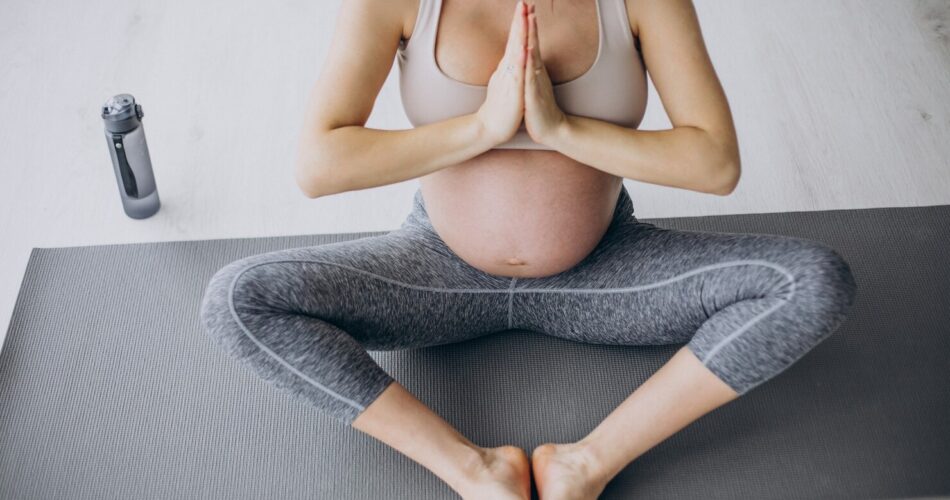
Yoga can include gentle abdominal work during pregnancy, but maintaining a slim waist should not guide the routine. Your abdomen needs room to grow. Choose movements that support comfortable activity rather than trying to keep your stomach flat.
Not every abdominal contraction is dangerous, and not every yoga pose is suitable. Your health, symptoms and the effort a movement requires matter more than its name.
Start with control rather than strain
The deep abdominal muscles help support the trunk. They can be exercised gently during pregnancy, with adaptations when needed. If you have been given restrictions or have pain, ask your maternity team or a physiotherapist before starting.
A gentle activation can be practised in a supported sitting position or lying on your side. Breathe normally, lightly draw in the lower abdomen, then let it relax. Do not pull in hard, hold your breath or try to make the bump disappear.
If you are unsure whether you are doing it correctly, ask someone qualified to check. This is not a test you need to pass by holding longer.
Select positions that leave room for the bump
Skip movements that squash the abdomen or feel painful. As pregnancy progresses, a position that once felt easy may need a smaller range, extra support or a different starting point.
A side plank, a boat pose and a repeated leg lift demand different amounts of effort. They should not be bundled into a universal prenatal abdominal routine.
Simple prenatal yoga poses may offer more manageable alternatives. Choose them for comfort and control, not for claims that they will stop your belly stretching.


- Pelvic floor
- Flat stomach
- Healthy back
- Posture and tone
- Yoga and Pilates
- Personalized menu
- Macronutrients and eating habits
- Meditations and podcasts
Adapt work on your back
In later pregnancy, avoid lying flat on your back for more than a few minutes during exercise. If you feel dizzy or unwell, stop and change position rather than finishing the sequence.
You can ask for an exercise in sitting, side lying or another supported position. Standing yoga is another option when balance is comfortable, but it also needs adaptation as your body changes.
A qualified teacher should be able to explain a replacement instead of asking you to push through discomfort.
Recognise symptoms that need help
Stop for pain, persistent dizziness or feeling unwell. Seek prompt assessment for vaginal bleeding, leaking fluid, painful regular contractions, chest pain or severe breathlessness.
Do not label a new abdominal pain as normal muscle work without checking it. A video cannot distinguish a training sensation from a symptom that needs medical attention.
Plan separately for after birth
Strengthening during pregnancy does not guarantee that your stomach will return to its previous shape. Skin, connective tissue and muscle recovery do not follow a single timetable.
When you are ready for abdominal exercise after childbirth, the plan should reflect the birth and your recovery. A prenatal sequence is not automatically the right postnatal programme, even if the exercises look similar.
Sources
- NHS, United Kingdom. Exercise in pregnancy
- Whittington Health NHS Trust, United Kingdom. Exercise during pregnancy: patient information
- Yoga Scotland, YogaBirth. Guidelines for teaching yoga to pregnant women


Download the app and get 7 days free use


