 eng
eng rus
rus deu
deu spa
spa fra
fra ita
ita por
por srp
srp tur
tur ukr
ukr por
por bos
bos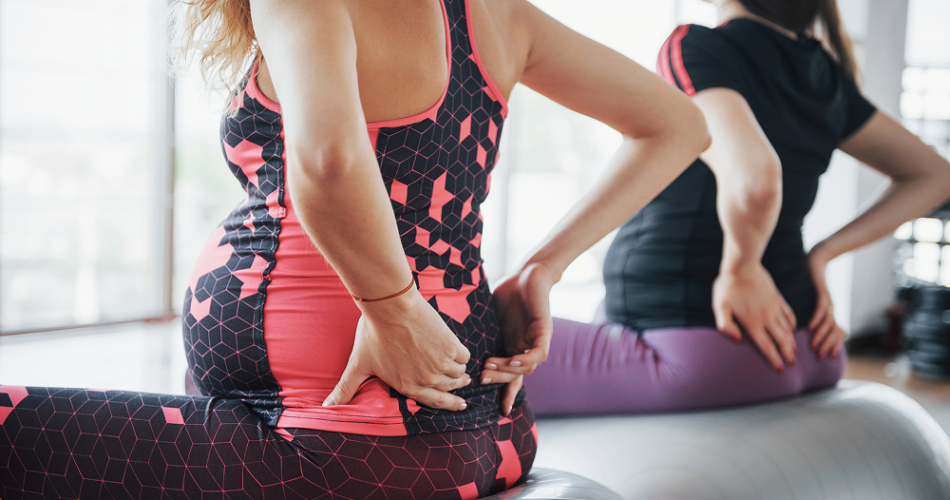
- Why back and lower back pain is common during pregnancy
- How Exercises for the Lower Back Are Beneficial During Pregnancy
- When and When Not to Exercise
- Contraindications by Conditions
- Alternatives in Case of Complications
- General Rules for Exercising During Pregnancy
- Exercises for the Lower Back in the First Trimester of Pregnancy
- Exercise 1. Pelvic Tilt Against the Wall
- Exercise 2. ‘Shoulder Circles’ + Neck Lengthening
- Exercise 3. Breathing with Lower Back Relaxation
- Exercises for the Lower Back in the Second Trimester of Pregnancy
- Exercise 1. ‘Cat-Cow’ on all fours
- Exercise 2. Shifting weight back
- Lower Back Exercises in the Third Trimester of Pregnancy
- Exercise 1: Standing Pelvic Tilts with Support
- Exercise 2. Sitting on a chair
- Exercise 3. Pelvic floor relaxation breathing
- How to know if the exercise is done correctly
- How Exercises Affect Well-being in Everyday Life
- Frequently Asked Questions for Pregnant Women
- Conclusion
- Read next
Safe exercises for relieving back pain in pregnancy. Step-by-step instructions for the 1st, 2nd, and 3rd trimesters. When should you avoid exercising? Doctor’s answers to frequently asked questions.
During pregnancy, many women increasingly feel tension or discomfort in their back, especially in the lower back. This is because the body gradually adjusts: the belly grows, body position changes, and the center of gravity shifts. At such times, it’s important not to ignore the body’s signals and to seek gentle ways to support yourself.
Lower back exercises during pregnancy help reduce strain on the back, improve overall well-being, and boost confidence in everyday life. When done properly, they are safe for pregnant women and can provide good support throughout different stages of the pregnancy journey.
Why back and lower back pain is common during pregnancy
Back and lower back pain during pregnancy occur for several reasons. One of the main ones is the shift in the center of gravity. As the belly grows, a woman’s body gradually leans forward, and the spine has to adapt to new conditions. This increases the load on the lower back and back muscles.
An additional factor is the weakening of the abdominal and pelvic muscles. These muscle groups usually help keep the body stable, but during pregnancy, their function changes. As a result, some of the load is redistributed to the lower back and legs, causing discomfort in the back to occur more frequently, especially in the second and third trimesters.
Changes in gait and body posture throughout the day also have an effect. Even familiar actions, such as standing, walking, or getting up from the floor, begin to feel different and require more effort from the body.
How Exercises for the Lower Back Are Beneficial During Pregnancy
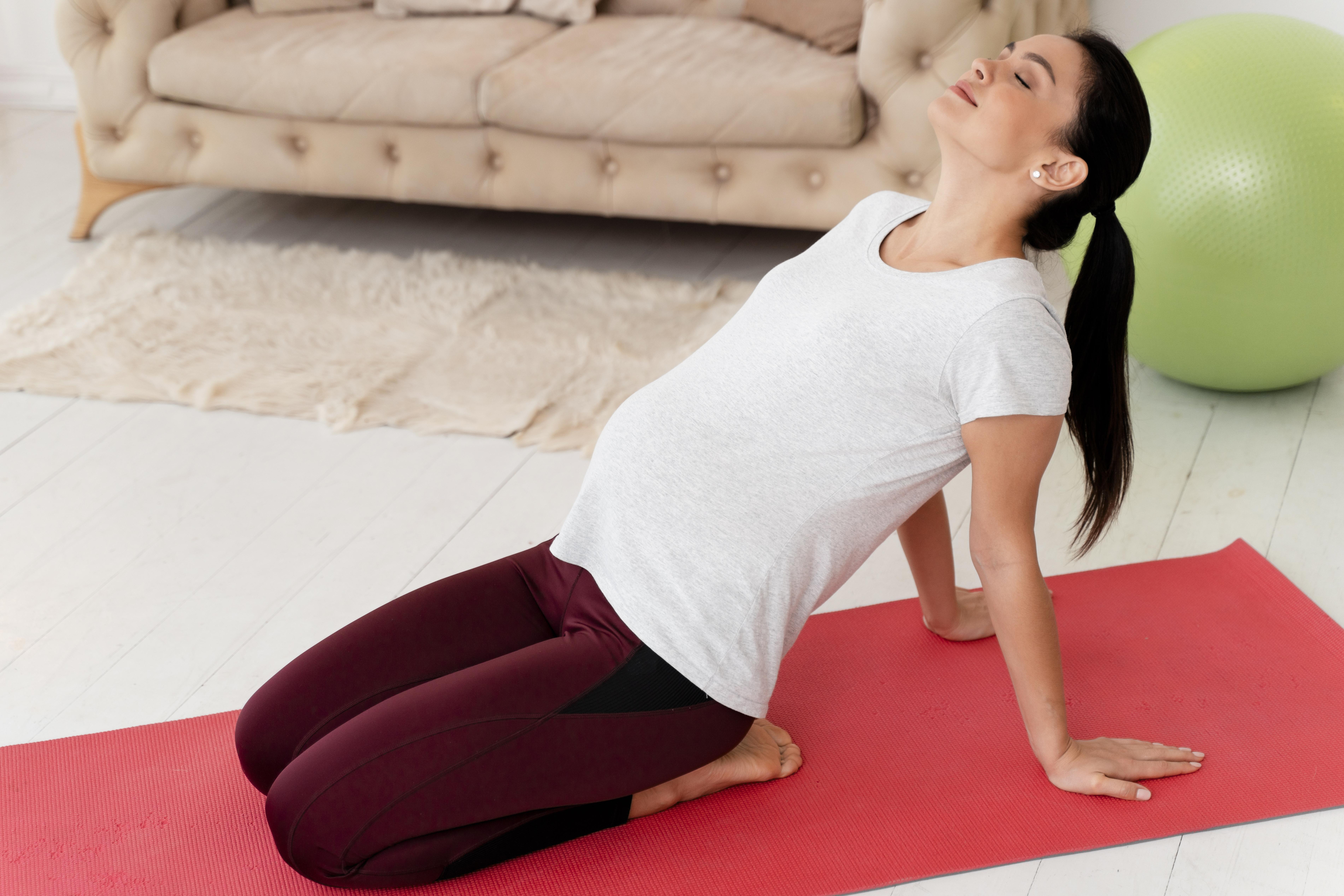
Regular exercises for the lower back gently strengthen the muscles of the back, abdomen, and pelvis without excessive physical stress, relieve lower back pain, and reduce the feeling of stiffness. This is especially important during pregnancy when the body needs support rather than abrupt movements.
Such exercises can help reduce tension in the lower back, improve spinal mobility, and decrease the feeling of fatigue in the legs and back. Many women note that with regular practice, it becomes easier to maintain proper posture throughout the day and to stand or sit for longer periods.
According to experts, moderate physical activity during pregnancy positively affects overall well-being and helps prepare the body for childbirth. The main thing is to perform the exercises correctly and consider the individual’s physical condition.
When and When Not to Exercise
In most cases, lower back exercises during pregnancy are permitted and even beneficial. However, it’s important to consider individual health conditions and doctor’s recommendations before starting, especially if the pregnancy has specific features.
Exercises can be performed if:
- the pregnancy is proceeding without complications;
- there are no acute pains in the back and lower back;
- the overall condition of the woman is stable;
- the doctor has not identified any contraindications to physical activity;
- movements do not cause discomfort or unpleasant sensations.
You should temporarily refrain from exercises and consult a doctor if:
- sharp or increasing pains in the lower back or back appear;
- pulling sensations occur in the lower abdomen;
- dizziness, weakness, or worsening of well-being appears;
- exercises cause a feeling of tension or pressure;
- the condition of the body changes throughout the day.
The main rule is not to perform the workout through pain and not to strive for exertion through force. Practically, this means: stop the exercise when feeling pain/pulling sensations, reduce the range of motion if uncomfortable, take breaks for breathing and water, and do not train ‘to fatigue’ – better 10 minutes gently than 30 minutes through tension.
Contraindications by Conditions
No exercises or workouts should be performed if any of the following conditions are present:
- threat of miscarriage or bloody discharge;
- placenta previa (especially after 26 weeks) or suspected detachment;
- cervical insufficiency/stitch/pessary – if the doctor has limited activity;
- preeclampsia, severe hypertension, severe pregnancy complications;
- acute infectious conditions, high fever, pronounced weakness;
- severe pain of unknown origin (in the abdomen, lower back, chest) requiring examination.
Alternatives in Case of Complications
If the doctor has temporarily prohibited exercise, often gentler options are allowed: breathing techniques for relaxation (slow inhale through the nose for 3–4 counts and exhale for 5–6 counts), short calm walking at a comfortable pace, gentle relaxation in a comfortable position with support under the back and legs. It’s better to consult with a doctor for the specific option, as restrictions can vary.
Signs of overtraining:
- bloody discharge or leakage of fluid;
- sharp/increasing pain in the abdomen, lower back, pelvis;
- increased heart rate that does not subside at rest, feeling “shortness of breath”;
- dizziness, darkening of vision, pre-fainting state;
- pronounced weakness, nausea, cold sweat;
- cramping sensations, increased muscle tone;
- sudden decrease in fetal movements (for terms when movements are already felt).

General Rules for Exercising During Pregnancy
For the workout to be beneficial and safe, it’s important to follow a few simple rules. All movements should be performed smoothly, without jerks and excessive strain. Listen to the sensations in your body and avoid striving for maximum range of motion.
The main goal is to support muscles and reduce tension, not endurance training. Even a small load, when performed correctly, can have a good effect.
It is best to exercise at a convenient time, on a flat floor or mat, wearing comfortable clothing. Your body position should be stable, and your breathing should be calm and steady. Even short sessions can yield noticeable results if performed regularly.
It’s important to choose an environment where a woman feels relaxed and safe. This approach helps establish a beneficial habit and makes exercise a part of everyday life.
Exercises for the Lower Back in the First Trimester of Pregnancy
In the first trimester of pregnancy, the body is only beginning to adapt to changes, so the load should be minimal. At this time, it is important not to aim for intense workouts but to focus on gentle movements that help relieve tension in the back and improve overall well-being.
Exercise 1. Pelvic Tilt Against the Wall
Starting position: Stand with your back against the wall, feet hip-width apart, knees slightly bent, palms on the pelvic bones.
Technique (3–5 steps):
- Take a calm breath in.
- On the exhale, gently ’tilt’ the pelvis: the lower back softly moves towards the wall (without pain).
- On the inhale, return to a neutral position (do not arch suddenly).
- Repeat the movement smoothly at your own pace.
Repetitions: 8–12 times, 1–2 sets. Markers of proper execution: the movement is small, breathing is even, no pressure in the lower abdomen, shoulders are relaxed.
Exercise 2. ‘Shoulder Circles’ + Neck Lengthening
Starting position: sitting or standing, back straight, chin slightly tucked in (neck is long).
Technique:
- Lift the shoulders up on an inhale.
- Move the shoulders back.
- Lower them down on an exhale.
- Make 5 circles backward, then 5 circles forward.
Repeats: 5 rounds on each side, 1–2 times. Markers: do not tilt your head back, do not “clench” your neck, movements without crunching and pain.
Exercise 3. Breathing with Lower Back Relaxation
Starting position: sitting with support under your back or lying on your side with a pillow between your knees.
Technique:
- Inhale through the nose for 3–4 counts.
- Exhale through the mouth for 5–6 counts, as if you are “gently letting go” of your lower back.
- On the exhale, make sure your abdomen and glutes are relaxed.
Time: 1–2 minutes. Markers: breathing is not disrupted, shoulders do not rise, warmth/lightness occurs in the lower back.
In the first trimester, it is important to monitor your sensations. If discomfort or fatigue appears, the workout should be stopped. Even a few minutes of gentle movement can help reduce back tension.
Exercises for the Lower Back in the Second Trimester of Pregnancy
In the second trimester, many women find it easier to move, and they gain more energy. During this period, you can incorporate exercises aimed at strengthening the muscles of the back, legs, and pelvis, while avoiding excessive strain.
Exercise 1. ‘Cat-Cow’ on all fours
Starting position: on all fours: palms under the shoulders, knees under the pelvis, spine neutral, gaze at the floor.


- Yoga for each trimester
- Breathing during labor
- Meditations and relaxation techniques
- Video lectures on childbirth preparation
- Nutrition program
- Consultations with experts
- Helpful articles and books
- Psychological support
Technique:
- As you inhale, gently extend the chest forward, and the back arches slightly.
- As you exhale, round your back as if ‘pulling’ the lower back upward.
- Move smoothly, without collapsing in the lower back and without sudden movements.
Repetitions: 8–10 breathing cycles. Markers: no pain, the stomach does not ‘pull’, weight is evenly distributed between the palms and knees.
Exercise 2. Shifting weight back
Starting position: on all fours, back straight.
Technique:
- On the exhale, slowly move your pelvis back (as if you want to bring your buttocks closer to your heels), but without pressure on the abdomen.
- On the inhale, return forward to the starting position.
- Keep the movement small and comfortable.
Repetitions: 6–10 times. Indicators: lower back ‘relaxes’, no pain in the wrists (support on forearms if necessary).
Exercise 3. Seated Glute Stretch
Starting position: sitting on a chair: feet on the floor, back straight.
Technique:
- Place one ankle on the opposite knee (if comfortable).
- With a straight back, lean slightly forward.
- Maintain a gentle stretch, without pain.
Time: 15–20 seconds per side, 1–2 times. Indicators: stretches the glute, not the lower back; breathing is calm; no numbness/shooting pain.
Such movements help reduce lower back strain, improve spinal mobility, and support the muscles actively involved in body support. The key is to perform everything correctly, without sudden movements, and with controlled breathing.
Lower Back Exercises in the Third Trimester of Pregnancy
In the third trimester, the belly grows larger, and the load on the lower back and legs increases. During this period, workouts are aimed not at strengthening but at alleviating discomfort and preparing the body for childbirth.
Exercise 1: Standing Pelvic Tilts with Support
Starting position: Stand facing a table/windowsill, hands on the support, feet hip-width apart.
Technique:
- As you exhale, slightly tuck your pelvis under (as if you are “scooping” your lower back).
- As you inhale, return to neutral.
- Keep your shoulders relaxed without arching your lower back.
Repetitions: 8-12 times. Markers: no abdominal pressure, lower back doesn’t strain, breathing is smooth.
Exercise 2. Sitting on a chair
Starting position: sit at the edge of the chair, feet steady on the floor, back straight, hands on thighs.
Technique:
- Inhale and elongate through the crown of the head (without lifting the shoulders).
- Exhale and imagine the lower back becoming ‘wider’ and softer.
- Maintain even breathing.
Time: 5-6 breathing cycles, 2 times a day as desired. Markers: feeling of ‘spaciousness’ in the lower back, no dizziness.
Exercise 3. Pelvic floor relaxation breathing
Starting position: sitting with support or lying on your side.
Technique:
- Inhale – gently ‘expand’ the ribs outward.
- Exhale – relax the face, shoulders, abdomen.
- Ensure there is no breath holding.
Time: 1–2 minutes. Indicators: reduced tension in the lower back/pelvis, calm breathing.
In the third trimester, it’s important to avoid heavy loads lying on your back and positions that exert pressure on the abdominal area. All movements should be calm and performed at a comfortable pace.

How to know if the exercise is done correctly
Proper exercise during pregnancy plays a key role. The main guideline is your own feelings. Movements should not cause pain, sharp tension, or deterioration in well-being.
If during the exercise the breathing remains even, the muscles work softly, and after the session there is a feeling of lightness in the back, then the load is correctly selected. If there are any doubts or discomfort arises, it is important to stop the workout and discuss the situation with a doctor.
How Exercises Affect Well-being in Everyday Life
Gentle exercises during pregnancy are important not only for relieving discomfort but also for overall quality of life. When the body receives moderate and regular activity, it becomes easier for a woman to manage daily tasks, maintain her activity longer, and feel confident in her movements. This is especially noticeable towards the end of pregnancy when fatigue increases.
Regular exercises provide several tangible effects:
- improved body mobility and a sense of stability;
- ease in standing, sitting, and changing positions;
- reduced feeling of tension in the lower back;
- more energy throughout the day;
- a calm attitude towards the upcoming childbirth.
Such changes do not happen overnight, but with regular practice, they accumulate. As a result, a woman feels more confident, reacts more calmly to changes in her body, and adapts more easily to new sensations.
Frequently Asked Questions for Pregnant Women
How often can you do lower back exercises during pregnancy?
Usually, it is enough to exercise 3-4 times a week for 10-15 minutes, depending on how you feel. Regularity is more important than the duration of the sessions.
Can you do lower back exercises every day?
Yes, if the exercises are light and do not cause any discomfort. If in doubt, it is better to discuss this with your doctor beforehand.
In which trimester are lower back exercises most beneficial?
Exercises can be beneficial in any trimester of pregnancy, but their nature changes. The load is always selected, taking into account the current period and the woman’s condition.
Is it normal to feel slight muscle tension after a workout?
Slight tension or the sensation of working muscles is acceptable. Pain, sharp discomfort, or a deterioration in well-being is a reason to stop exercising.
Is it okay to do exercises if your back or lower back already hurts?
In some cases, gentle exercises can help reduce discomfort. If the pain increases or becomes sharp, you should stop exercising and consult a doctor.
Is special equipment necessary?
No, most workouts are performed on the floor, standing or sitting without additional equipment. The main thing is comfortable clothing and a stable surface.
Conclusion
Exercises for the lower back during pregnancy help the body to cope with changing conditions and gently adapt to the load. According to specialists, moderate physical activity reduces back tension, improves mobility, and has a positive effect on the woman’s overall condition.
Regular exercise can help prepare the body for childbirth and make the process more comfortable. However, it’s important to remember that each pregnancy is unique, and what works for one woman may not be suitable for another. If there are any doubts, discomfort, or other issues, it’s important to consult with a doctor in time and adjust the exercise routine accordingly.


Download the app and get 7 days free use


