 eng
eng rus
rus deu
deu spa
spa fra
fra ita
ita por
por srp
srp tur
tur ukr
ukr por
por bos
bos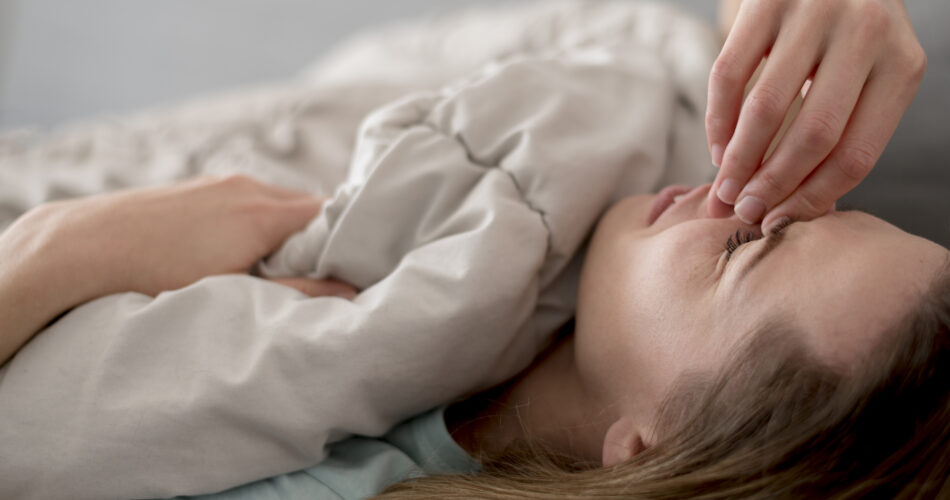
After the birth of a baby, sleep becomes the most scarce resource. The baby’s and mom’s sleep almost always “follow” different rules: frequent awakenings, night feedings, anxiety, the feeling that the daily routine has fallen apart. Against this background, the phrase “I’ll catch up on sleep later” sounds like the only survival strategy — but in practice, it doesn’t work.
In the article, we will examine what symptoms of sleep deprivation most often occur in women, why you wake up feeling unrested even with a sufficient number of hours in bed, what the real reasons behind this condition are, and what small steps can improve well-being today. Particularly — when to consult a doctor.
Chronic Sleep Deprivation: What Happens to a Mother’s Body
Sleep deprivation in postpartum women rarely limits itself to just one sleepless night. More often, it is chronic sleep deprivation—consistent lack of sleep over weeks and months. The body gradually stops “catching up” on lost hours, and the deficit accumulates.
The most common symptoms of sleep deprivation include:
- constant daytime drowsiness;
- irritability and emotional exhaustion;
- reduced concentration and impaired memory;
- anxiety, a feeling of internal tension;
- a sense of being worn out even after a relatively calm night.
Chronic sleep deprivation affects not only mood. The brain operates in a deficit recovery mode, immunity suffers, cortisol levels rise, enhancing stress. Gradually, problems with appetite and weight regulation appear, resistance to infections decreases, and fatigue after childbirth increases.
It is important to understand: the body does not perceive a lack of sleep as a “minor everyday issue.” For it, this is physiological stress that triggers a chain of changes — from hormonal balance to the functioning of the nervous system.
Why ‘I sleep but don’t feel rested’: Causes of poor sleep quality
One of the most common questions is — why don’t I feel rested even though I sleep 7–8 hours? The reasons can vary.
Firstly, the quality of sleep. Deep sleep phases are critical for the body’s recovery. If the sleep is light with frequent awakenings, the brain does not go through complete cycles. Even if the total number of hours is sufficient, the body’s recovery remains incomplete.
Secondly, fragmented sleep. When the night is broken into short segments of 1–2 hours, the body does not have time to stabilize recovery processes. Sleep after childbirth is often like this: the baby wakes up, and the mother is in a constant state of readiness.
Thirdly, hormonal balance. After pregnancy and childbirth, there are significant hormonal fluctuations that can affect melatonin production and overall sleep patterns. Increased stress and cortisol further deteriorate sleep quality.
Among other reasons why you wake up and do not feel rested:
- insomnia due to anxiety;
- chronic overload and lack of rest during the day;
- late phone use and bright light in the evening;
- sleep schedule disruption.
When the phrase “why am I constantly not getting enough sleep” is frequently heard, it is worth looking not only at the number of hours but also at the night’s structure and sleeping conditions.
Consequences of Sleep Deprivation for Women’s Health
When sleep deprivation becomes regular, the body stops perceiving it as a temporary hardship. Chronic sleep deficiency affects not only mood but also brain function, hormonal balance, and overall health. This is especially noticeable in the postpartum period when resources are already limited.


- Yoga and Pilates after vaginal/cesarean birth
- Cardio and toning
- Morning and evening workouts
- 10–30 minutes a day
- Nutrition and macronutrient program
- Consultations with experts
- Psychological support
- Meditation, SPA and podcasts
What happens most frequently with chronic sleep deprivation:
- irritability and anxiety increase;
- persistent daytime sleepiness appears;
- concentration decreases and memory worsens;
- stress and cortisol levels rise;
- immunity decreases, colds become more frequent;
- the feeling of fatigue and lack of energy intensifies;
- appetite regulation and metabolism are disrupted;
- the quality of sleep worsens even with sufficient hours in bed.
With a lack of sleep, the brain regulates emotions poorly and struggles to cope with daily stress. Even small everyday tasks start to feel overwhelming. Meanwhile, the body doesn’t have time to fully go through the phases of deep sleep, which are responsible for restoring the nervous system and maintaining immunity.
It is important that the consequences of sleep deprivation accumulate gradually. Initially, it’s just fatigue towards the end of the day, then it becomes chronic fatigue, decreased concentration, and emotional exhaustion. If these signals are ignored, the body starts operating in a constant stress mode. Therefore, taking care of sleep is not a matter of comfort, but a matter of recovery and maintaining a woman’s health.
What can be done today to improve sleep
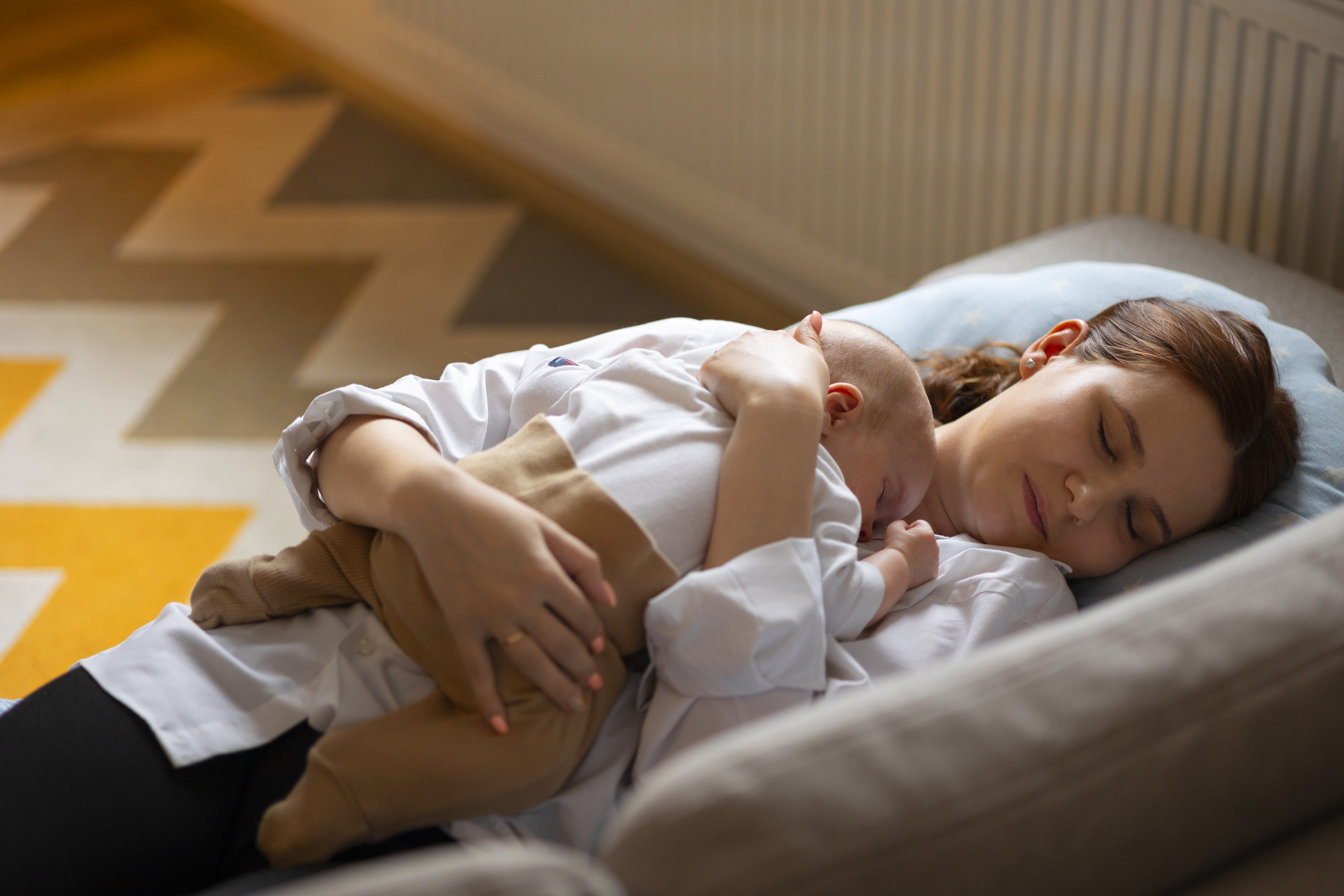
It’s challenging to completely ‘fix’ sleep with a little child. But that doesn’t mean nothing can be changed. Even small actions reduce the overall sleep deficit and help the body recover better.
We recommend doing the following:
- Stabilize bedtime. Go to bed at about the same time, even if the night will include awakenings. Sleep regularity helps the brain enter the sleep phase faster.
- Reduce light and screen exposure in the evening. Avoid the phone 30-60 minutes before sleep, use dim lighting, and keep the bedroom dark. This supports melatonin production and improves sleep quality.
- Ventilate the room before bed. Fresh air and moderate temperatures ease falling asleep and make sleep deeper.
- Use short daytime rest. A 20-40 minute nap during the day or simply lying down with closed eyes helps partially compensate for sleep deprivation and reduce drowsiness.
- Share night awakenings if possible. Even one more restful night a week gives the body a chance for full recovery.
- Reduce evening overload. Avoid scheduling complex tasks for late evening. The lower the stress level before sleep, the easier it is for the body to switch to rest mode.
- Reassess the mother’s daily routine. Short breaks throughout the day reduce overall tension. The balance of load and rest affects the quality of nighttime sleep.
The goal of these steps is to reduce overall overload and help the body transition to recovery mode faster. Over time, even small changes in sleep patterns and evening habits noticeably improve well-being and energy levels.

When to seek medical advice
Lack of sleep in the first few months postpartum is an expected situation. However, there are conditions where sleep problems go beyond the usual fatigue. In these cases, it’s important not to endure it, but to discuss the situation with a specialist.
Reasons to schedule a doctor’s appointment:
- insomnia persists for more than 2–3 weeks, even when there is an opportunity to sleep;
- you regularly sleep 7–8 hours, but wake up feeling unrested for no apparent reason;
- anxiety increases, panic symptoms appear;
- severe irritability alternates with apathy and a depressed mood;
- a feeling of complete lack of energy that doesn’t decrease after rest;
- frequent headaches, heart palpitations, blood pressure fluctuations;
- suspicion of anemia, thyroid problems, or other somatic causes;
- thoughts of personal inadequacy or hopelessness appear.
Sometimes, chronic sleep deprivation is masked by medical factors: iron deficiency, hormonal imbalances, postpartum depression, or anxiety disorders. In these cases, sleep hygiene measures alone will not resolve the situation.
A doctor may order a blood test, check iron and hormone levels, and assess emotional state. If necessary, a psychotherapist or neurologist can be involved. This does not mean something serious, but helps to restore normal sleep patterns and overall well-being more quickly.
It’s important to remember: if sleep is completely disrupted after childbirth and the condition is worsening, waiting for it to pass on its own is not always a safe strategy. Seeking help is part of taking care of oneself and a woman’s health, and thus the child’s well-being.
Thus, the idea of ‘I’ll sleep later’ seems logical, but the body can’t indefinitely postpone recovery. Sleep is a fundamental resource that affects energy, emotional state, immunity, and the ability to care for a child.
Small steps — an evening ritual, darkness in the bedroom, a short nap during the day, revising the schedule — won’t solve everything immediately, but they will gradually improve sleep quality and well-being. Taking care of sleep is not a luxury, it’s a part of caring for oneself and women’s health postpartum.


Download the app and get 7 days free use


