 eng
eng rus
rus deu
deu spa
spa fra
fra ita
ita por
por srp
srp tur
tur ukr
ukr por
por bos
bos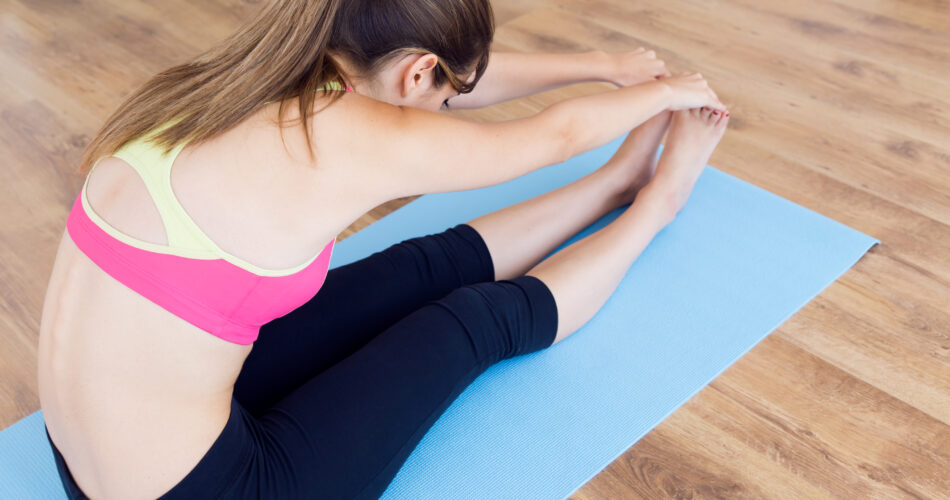
- Safe Physical Activities in the First Trimester
- Examples of exercises that help pregnant women
- How to properly distribute the load
- Breath Control and Proper Execution Technique
- Nutrition and Hydration During Exercise
- Contraindications to Physical Activity
- Recommendations for Organizing Classes
- Conclusion
- Read next
The first trimester of pregnancy is a time when a woman’s body is adjusting, and the pelvic and back muscles start doing double duty. They have to support an increasing load, maintain proper body posture, and ensure spine stability. To make these changes smooth, expectant mothers are advised to include moderate exercises in their daily routine that strengthen muscles and improve circulation.
Such activities help women conserve energy, reduce fatigue, diminish lower back pain, and prepare their bodies for childbirth. Moreover, regular exercises positively affect overall well-being, breathing, and mood.
The main rule is to take things slow and listen carefully to your body. All movements should be performed smoothly, without jerks or excessive strain. If pain, dizziness, or shortness of breath occurs during exercises, it’s important to stop and consult a doctor.
Safe Physical Activities in the First Trimester
The first trimester is a suitable time to lay the foundation for future workouts. During this period, gentle and safe activities aimed at strengthening the muscles of the back and pelvis are appropriate for expectant mothers.
These include:
- Breathing exercises. They improve the respiratory system, help control inhalation and exhalation, and reduce back strain.
- Light yoga and gymnastics. These activities increase muscle and joint flexibility and strengthen the legs, arms, and core muscles.
- Swimming. The water relieves excess pressure on the spine, helps evenly distribute load, and maintains physical fitness.
- Walking and stretching. Gentle movements without tension strengthen leg muscles and improve blood flow in the lower body.
Before and after classes, make sure to allocate time for warming up and relaxation. This reduces the risk of injuries and helps the body transition smoothly from activity to rest.
Examples of exercises that help pregnant women
Even with minimal physical activity, the muscles work actively. The main thing is to perform movements regularly, at a comfortable pace, and without pain.
- Cat Pose. Get on all fours, with your palms under your shoulders and knees under your hips. On the inhale, gently arch your back, directing your chest forward. On the exhale, round your back. Repeat 8–10 times. This exercise improves spine flexibility and strengthens back muscles.
- Bridge. Lie on your back, bend your knees, and place your feet on the floor. Slowly lift your pelvis upward, pushing off the ground with your feet. Hold for 3 seconds, then lower. This exercise strengthens the pelvic muscles and improves circulation.
- Pelvic circular movements while standing. Feet shoulder-width apart, knees slightly bent. Slowly make circles with your pelvis to the left and right. These movements improve the mobility of the pelvic joints and prepare them for childbirth.
- Seated back stretch. Sitting cross-legged, lean forward, extending your arms. Hold this position for 10 seconds, take a few deep breaths and slow exhalations, then straighten up. This helps relieve tension in the lower back and strengthen the back muscles.
After completing the set, it is beneficial to sit quietly for a few minutes, taking deep breaths and exhalations.
How to properly distribute the load
It’s better to practice daily for 15–20 minutes than to have long workouts once a week. Regularity helps the body get accustomed to the load and keeps the muscles toned.
Expectant mothers should remember that physical activity is a means to maintain health, not an endurance test. Movements should bring a sense of comfort, ease, and confidence. When done correctly, exercises will strengthen muscles, help maintain posture, and reduce stress on the spine.
Breath Control and Proper Execution Technique
During pregnancy, it is especially important to pay attention to breathing. It helps maintain an optimal oxygen level, reduces anxiety, and makes movements smoother. Breathing exercises can be done in any position – standing, sitting, or lying on the side.
Proper breathing should be deep and calm. On the inhale, the belly gently rises, and on the exhale, it falls. This method helps relax the back and pelvic muscles, improves circulation, and reduces the load on the cardiovascular system.
If you experience shortness of breath, dizziness, or tension during exercise, it’s advisable to slow down and take a break. Women should remember: pregnancy is not the time for setting records. Every movement should be beneficial and provide a sense of stability.


- Pelvic floor
- Flat stomach
- Healthy back
- Posture and tone
- Yoga and Pilates
- Personalized menu
- Macronutrients and eating habits
- Meditations and podcasts
Nutrition and Hydration During Exercise
Physical exercises are effective only when combined with proper nutrition. A pregnant woman’s diet should include enough protein, calcium, and B vitamins – they strengthen muscles and support the nervous system.
It’s advisable to have a light snack before a workout, such as a fruit, yogurt, or oatmeal cookie. After exercising, it’s important to restore hydration by drinking clean water in small sips.
Maintaining a stable weight is an important part of preparing for childbirth. Proper workouts and balanced nutrition help a woman maintain energy and avoid excessive strain on the spine and joints.
Contraindications to Physical Activity
Despite the benefits of exercise, there are situations when pregnant women should refrain from workouts. It’s important to consider this to avoid harming the body and the baby.
Contraindications include:
- risk of miscarriage or increased uterine tone;
- severe abdominal or back pain;
- bleeding;
- high blood pressure or rapid heartbeat;
- chronic diseases where physical exertion may be dangerous.
If there are any doubts, it’s worth discussing each exercise with a doctor. A specialist will help select an individual program and determine which movements are allowed in your trimester.
After consulting, you can gradually return to light activities: yoga, breathing exercises, stretching, or swimming. These activities strengthen muscles, improve mood, and help a woman feel more attuned with her body.
Recommendations for Organizing Classes
It is best to practice in a well-ventilated room or outdoors. The temperature should be comfortable, and clothing should be loose and non-restrictive.
For additional safety, you can use a gym mat, a soft roller, or a pillow for back support. If exercising at home, it’s advisable to clear space beforehand to avoid hitting objects during movements.
Women who feel confident can incorporate light exercises with a resistance band or a fitness ball. These gently load the muscles without putting pressure on the spine and pelvis.
After giving birth, it is worth continuing regular exercises, adapting them to your body’s new condition. This will help you recover faster, strengthen muscles, and return to your usual physical shape.
Conclusion
The first trimester is a time when it is especially important for the expectant mother to treat herself with care. Properly selected exercises strengthen the back and pelvic muscles, support the woman’s health, and create a solid foundation for a successful pregnancy. The key is to listen to your body, perform movements calmly, and enjoy each session. Then physical activity will not be a chore but a natural part of a healthy life. Detailed recommendations, workout programs, and expert advice can be found on the website – an online platform where programs are adapted for different trimesters and skill levels.


Download the app and get 7 days free use


