 eng
eng rus
rus deu
deu spa
spa fra
fra ita
ita por
por srp
srp tur
tur ukr
ukr por
por bos
bos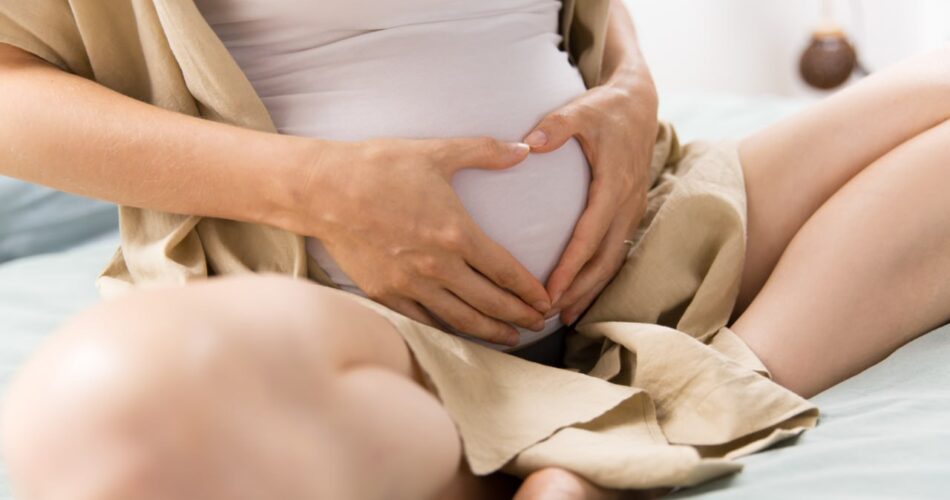
- Contents
- What is the pelvic floor and how does it work
- What changes occur during pregnancy
- Early Symptoms of Dysfunction: What Not to Ignore
- Risk Factors and Why Prevention Isn’t the Same for Everyone
- Exercises During Pregnancy: Strengthening or Relaxing?
- Preparation for childbirth: the role of the perineal muscles
- Postpartum Period and Pelvic Floor Recovery
- Read next
During pregnancy, the body changes gradually, but one area takes on the strain from the very first weeks—the pelvic floor. It supports the pelvic organs and responds to the growth of the uterus, weight gain, and hormonal changes. If these processes are ignored, postpartum issues such as urinary incontinence, heaviness in the vagina, or even organ prolapse may arise.
The pelvic floor and pregnancy are directly linked. The earlier a woman begins to understand what is happening in this area, the easier the recovery after childbirth will be.
Contents
- What is the pelvic floor and how does it work
- What changes occur during pregnancy
- First symptoms of dysfunction: what not to ignore
- Risk factors and why prevention is not the same for everyone
- Exercises during pregnancy: strengthening or relaxing?
- Preparing for childbirth: the role of the perineal muscles
- Postpartum period and pelvic floor recovery
What is the pelvic floor and how does it work
The pelvic floor is a system of muscles and connective tissues in the perineal area. These muscles support the uterus, vagina, bladder, and intestines. Essentially, it is the ‘support’ for the pelvic organs.
The pelvic floor muscles are involved in controlling urination, defecation, supporting organs during increased intra-abdominal pressure, such as when a woman coughs, laughs, or climbs stairs. They also affect sexual function and the feeling of pelvic stability.
It is important to understand: the pelvic floor does not exist in isolation. It works together with the diaphragm, abdominal, and back muscles. When this system is balanced, the pressure within the abdominal cavity is evenly distributed. When there is muscle weakness or tone disruption, symptoms of pelvic floor dysfunction appear.
What changes occur during pregnancy
Pregnancy is not just a growing uterus. It is a complex restructuring of tissues.
Under the influence of hormones, the elasticity of connective tissues increases. This is necessary for childbirth, but at the same time, it decreases the resilience of the fascia and ligaments. The growing uterus increases pressure on the pelvis. Body weight increases, posture changes, and the center of gravity shifts.
In the second and especially the third trimester of pregnancy, the pressure on the perineum becomes constant. The bladder finds itself in an altered position, and the pelvic floor muscles are forced to work under new conditions.
If there was already muscle weakness before pregnancy, these changes increase the load. If the muscles were in hypertonicity, the situation could also become complicated — pain in the perineum and discomfort during urination may arise.
Early Symptoms of Dysfunction: What Not to Ignore
Many women consider urine leakage during pregnancy to be normal. However, urinary incontinence is not just ‘it happens.’ It’s a signal of impaired sphincter control and reduced effectiveness of the pelvic floor muscles.
Symptoms of dysfunction include:
a feeling of heaviness in the vagina,
urine leakage when coughing or laughing,
constipation,
discomfort in the perineal area.
Sometimes a woman notices that it becomes more difficult to control the bladder during physical activity. This is a reason not to wait for childbirth, but to discuss the situation with a doctor.
Early diagnosis by a gynecologist, pelvic ultrasound if necessary, and adjustment of physical activities help reduce the risk of complications in the postpartum period.
Risk Factors and Why Prevention Isn’t the Same for Everyone
Pregnancy itself increases the load on the pelvic floor. However, there are situations where the risk of pelvic organ prolapse or persistent incontinence is higher.


- Yoga for each trimester
- Breathing during labor
- Meditations and relaxation techniques
- Video lectures on childbirth preparation
- Nutrition program
- Consultations with experts
- Helpful articles and books
- Psychological support
Excess weight increases pressure on the pelvis. Chronic cough or constipation constantly raises intra-abdominal pressure. Multiple pregnancies and large babies increase the load on the perineal muscles.
If symptoms of dysfunction were present before pregnancy, prevention is especially important. A personalized exercise program and medical supervision in such cases help reduce the risk of postpartum complications.
Exercises During Pregnancy: Strengthening or Relaxing?
Women often hear a one-size-fits-all solution — Kegel exercises. But the pelvic floor is not just about ‘squeeze and hold’.
In some cases, muscle strengthening is indeed required. In others, on the contrary, it is important to learn to relax the pelvic muscles and synchronize them with breathing.
The correct exercise technique during pregnancy should take into account the trimester, muscle tone, and the woman’s overall state. Too intense physical activity can increase pelvic pressure. And performing Kegel exercises chaotically without control sometimes leads to hypertonicity.
Physical activity during pregnancy should be moderate. Walking, gentle strength work without breath holding, and exercises with breathing techniques help maintain pelvic floor muscle tone and improve circulation in the pelvic area. Our app has a training program that will help prepare the body and pelvic floor muscles for pregnancy and childbirth.

Preparation for childbirth: the role of the perineal muscles
During childbirth, the pelvic floor muscles must be able to not only support the organs, but also relax. Tissue elasticity reduces the risk of tears and eases the passage of the baby.
Preparation for childbirth includes breathing exercises, awareness of the perineal area, and pressure control during pushing. Women who worked on their pelvic floor condition during pregnancy often recover faster after childbirth.
This does not guarantee the absence of complications, but it reduces the likelihood of significant prolapse or descent of the uterus or bladder in the future.
Postpartum Period and Pelvic Floor Recovery
After childbirth, the pelvic floor muscles need gradual rehabilitation. Temporary incontinence, a feeling of weakness, or discomfort may occur during the postpartum period.
With timely prevention, recovery proceeds faster. If dysfunctions are pronounced, modern therapy methods may be required, and in rare cases, surgical treatment may be necessary.
Maintaining pelvic floor health is part of overall women’s health care. It’s about controlling urination, absence of pain, preserving sexual function, and confidence in one’s body.
The pelvic floor and pregnancy are not separate topics for specialists only. It is the foundation of preventing complications that may arise years after childbirth.
Starting care during pregnancy means reducing the risk of postpartum problems and giving your body the resources for full recovery.


Download the app and get 7 days free use


