 eng
eng rus
rus deu
deu spa
spa fra
fra ita
ita por
por srp
srp tur
tur ukr
ukr por
por bos
bos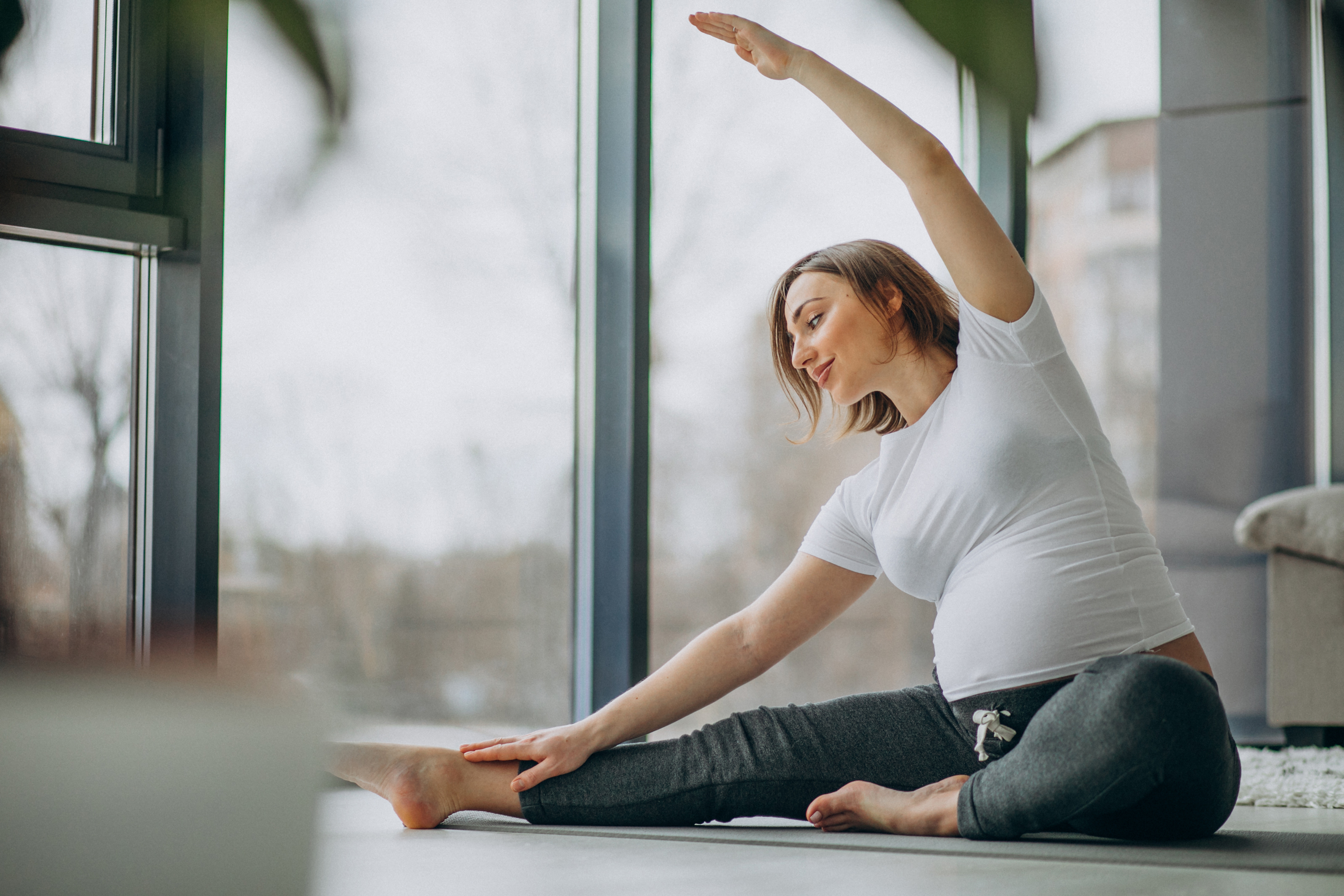
- Can you practice yoga during pregnancy?
- Benefits of Practice for Mother and Baby
- Impact on the body by systems
- Features of Yoga in the First Trimester of Pregnancy
- Second Trimester Practice: Golden Time for Activity
- Third trimester: preparation for childbirth
- Top 5 Beneficial Exercises for Pregnant Women
- Contraindications and Prohibited Actions
- How to Choose an Instructor and Yoga Class Format
- Answers to Frequently Asked Questions (FAQ)
- Conclusion
- What to do next?
The period of expecting a child is a time of a woman’s body undergoing significant changes, affecting both the physical body and emotional state. Expectant mothers often wonder how to maintain physical activity without harming the baby, and this is where the ancient practice comes in. Yoga for pregnant women in the 1st trimester is an adapted system of exercises and breathing techniques that helps prepare the body for childbirth, reduces back pain, and achieves emotional balance. In this article, we will detail whether yoga can be practiced during pregnancy, which poses are most beneficial, and how to properly structure your practice in the first trimester and later stages.
Can you practice yoga during pregnancy?
The medical community and perinatal fitness specialists agree: moderate physical activity is essential for expectant mothers. If the pregnancy is progressing without complications, yoga becomes one of the best ways to maintain health. It works more gently than classic fitness or strength training, paying attention not only to muscles but also to ligaments, joints, and the psycho-emotional state. However, before rolling out the mat, it is necessary to get approval from the gynecologist overseeing your pregnancy.
Important! Any yoga sessions during pregnancy should only be started after consulting a doctor. If there is a risk of miscarriage, uterine hypertonicity, or other medical contraindications, you will need to temporarily abstain from workouts or adjust them under the strict supervision of a specialist.
The main difference between ‘pregnancy’ yoga and regular yoga is the exclusion of potentially dangerous poses and a focus on relaxation and opening the pelvis. If a woman has practiced before, it will be easier for her to adapt, but even beginners can start by joining specialized groups for expectant mothers. The body itself will indicate a comfortable pace: there is no room for breaking records or pushing oneself here.
Benefits of Practice for Mother and Baby
Regular yoga sessions have a comprehensively positive impact on a woman’s well-being and fetal development. During the execution of poses, circulation between the mother and baby improves, which serves as excellent prevention of hypoxia. Additionally, special exercises help tackle common pregnancy companions – swelling, varicose veins, and lower back pain.
Here are the main benefits of this practice during this special period of life:
- Physical preparation for childbirth. Strengthening the pelvic floor muscles and increasing the elasticity of the perineal tissues reduces the risk of tears during labor.
- Weight control. Gentle exercise helps burn extra calories and maintain weight within normal limits, which is important for easy postpartum recovery.
- Emotional stability. Hormonal storms often spoil moods and cause fears. Meditations and savasana (relaxation pose) effectively reduce anxiety and improve sleep.
- Breathing skill. The ability to control breathing is a key tool for pain relief during contractions.
- Pain relief. Spine stretching asanas relieve the load on the back, which increases as the belly grows.
Impact on the body by systems
To visually demonstrate how yoga affects different body systems, we have compiled a table of changes that occur with regular practice.
| Body system | Effect of yoga practice | Result for pregnant women |
| Musculoskeletal | Strengthening of the muscular frame, unloading of the spine | Reduction of back and lower back pain, improved posture |
| Circulatory | Improved lymphatic drainage and blood flow | Reduction of leg swelling, prevention of varicose veins |
| Nervous | Balancing of excitation and inhibition processes | Reduced stress levels, calm sleep, good mood |
| Respiratory | Increased lung capacity, diaphragmatic breathing | Better oxygen supply for mother and baby |
| Digestive | Gentle massage of internal organs | Prevention of constipation and improved intestinal peristalsis |
Features of Yoga in the First Trimester of Pregnancy
The first 12 weeks are the most critical and delicate stage. During the first trimester, the foundation of all the baby’s organs and systems is laid, and the fertilized egg attaches to the uterine wall. This is why yoga in the first trimester should be as gentle as possible. Many instructors recommend reducing the intensity to a minimum or taking a break during this period, especially if the woman experiences severe morning sickness or weakness.
At this time, any exercises that stress the abs, jumps, sudden twists, and backbends are prohibited. The main goal of practice in the early stages is to learn to listen to your body and accept the new state. If you feel nausea or dizziness, the session should be stopped immediately.
The optimal choice for the 1st trimester is breathing exercises (pranayama) without breath holding and light joint gymnastics. This helps improve tissue oxygenation and gently awaken the body. Remember, the risk of miscarriage is highest in the first months, so any discomfort in the lower abdomen is a signal to stop.
Second Trimester Practice: Golden Time for Activity
The second trimester (from the 13th to the 27th week) is often considered the most favorable time during pregnancy. Morning sickness usually subsides, energy levels increase, and the belly is not yet so large as to hinder movement. During this period, you can engage in yoga more actively, incorporating standing poses to strengthen the leg and back muscles.
However, the growing fetus begins to shift the center of gravity, so balance exercises are best performed against a wall or with a chair for support. Ligaments become softer under the influence of the hormone relaxin, increasing the risk of dislocations. Therefore, it’s important not to overstretch, even if it feels like the body has become very flexible.
In the 2nd trimester, the focus shifts to working with the hip joints. Exercises that open the pelvis (such as the Butterfly pose) prepare the birth canal. Inverted poses are also useful (if there are no contraindications), as they relieve the veins in the legs and help prevent hemorrhoids.
Third trimester: preparation for childbirth
In late stages, yoga becomes as slow and meditative as possible. A large belly limits the range of motion, and shortness of breath may occur. In the third trimester, all exercises are performed smoothly, using additional materials (pillows, rollers, bolsters) to support the body.
Main goals of classes before childbirth:
- Relaxation of the pelvic floor. It’s important not only to be able to tense the muscles (as in Kegel exercises) but also to consciously relax them to allow the baby to pass.
- Practicing childbirth breathing. Women learn to “breathe through” tension.
- Positioning the fetus. Some asanas help the baby take the correct head-down position.
During this period, any lying poses on the back are excluded as the uterus can compress the vena cava, disrupting circulation. Rest and Shavasana are performed only while lying on the side.
Top 5 Beneficial Exercises for Pregnant Women
There is a basic set of asanas suitable for most expectant mothers that can be performed at home. These poses are safe and effective for maintaining good well-being. Perform them at a comfortable pace, paying attention to sensations.
1. Cat Pose (Marjaryasana)
This is the perfect exercise to relieve the back. Get on all fours, palms under the shoulders, knees under the hips. As you inhale, gently stretch your chest forward (without a strong bend in the lower back!), as you exhale, round your back, relaxing your neck. This movement relieves pressure from the spine and helps the baby find a comfortable position.
2. Butterfly Pose (Baddha Konasana)
Sit on the floor, bring the soles of your feet together and draw them towards the groin. Gently direct your knees to the sides. You can place cushions under your thighs if your flexibility doesn’t allow you to lower your legs down. This pose improves blood circulation in the pelvis and the elasticity of the ligaments.
3. Tree Pose (Vriksasana)
A standing pose for balance and strengthening the legs. Stand upright, transfer your weight onto one leg, and press the foot of the other leg against the inner thigh or shin (avoid pressure on the knee joint). You can place your hands in front of your chest. If it’s difficult to maintain balance, hold onto a wall or chair with your hand.


- Yoga for each trimester
- Breathing during labor
- Meditations and relaxation techniques
- Video lectures on childbirth preparation
- Nutrition program
- Consultations with experts
- Helpful articles and books
- Psychological support
4. Warrior II Pose (Virabhadrasana II) — modified version
Strengthens the legs and gives a sense of confidence. From a standing position, spread your legs wide, turn one foot outward, and bend the knee. Extend your arms to the sides. Avoid holding the pose too long to prevent fatigue.
5. Side Shavasana
Ending any practice. Lie on your left side, place a pillow under your head and another one between your knees. Close your eyes and completely relax your body for 10-15 minutes. This time is necessary for rejuvenation and bonding with the baby.
Contraindications and Prohibited Actions
Despite the enormous benefits, yoga for pregnant women in the 1st trimester of pregnancy, as well as in subsequent periods of pregnancy, has strict limitations. If during the classes you feel sharp pain, bleeding starts, or your waters break — call an ambulance immediately.
It is strictly forbidden to perform:
- Deep twists. They compress the uterus and can provoke placental abruption. Only light shoulder turns to the open side are permissible.
- Poses lying on the stomach. From the moment the stomach begins to grow, these positions are completely excluded.
- Intense backbends. They create excessive pressure on the lower back and can lead to stretching of the abdominal linea alba (diastasis).
- Jumps and jolts. Any impact load is prohibited.
- Breath holds (Kumbhaka). The baby needs a constant flow of oxygen, so breathing should be smooth and calm.
- Asanas that heavily compress the abdomen. For example, forward bends to straight legs with the abdomen pressed to the thighs. Legs should always be placed wider to make room for the belly.
How to Choose an Instructor and Yoga Class Format
Choosing a mentor is half the success. The instructor should have a certificate confirming their qualifications specifically in working with pregnant women. A regular fitness trainer may not know the nuances of gestation physiology.
If you live in a large city such as Moscow, there are many options. Choose a center with an address convenient for you so the travel is not exhausting. A good option is specialized yoga studios or maternity preparation centers. They often form small groups where the trainer can pay attention to each student.
For those who prefer working out at home, the internet is available. Online courses and video lessons allow you to practice at your convenience, without leaving your apartment. For instance, on the MomsLab online platform, sessions are carefully designed for each trimester of pregnancy. However, all the responsibility for correctly executing the techniques lies with you. If you are a beginner, it’s better to take at least a couple of individual lessons in person or via video call so a specialist can establish your technique.
Before signing up for a course or purchasing a membership, read reviews from other moms, check out studio news, and look at photos of the halls. A comfortable atmosphere, proper ventilation, and clean equipment are very important for a pregnant woman.
Answers to Frequently Asked Questions (FAQ)
Many expectant mothers experience fears before starting classes. We have gathered the most popular questions to dispel doubts.
Question: I have never practiced yoga before. Is it okay to start during pregnancy?
Answer: Yes, you can. Special beginner programs (“Prenatal Yoga”) are designed for those without prior experience. The key is to inform the instructor that you are a beginner and to pay close attention to how you feel.
Question: How many times a week should I practice?
Answer: The optimal routine is 2–3 times a week. Each session usually lasts 60–90 minutes. If you’re practicing at home, you can do short 15–20 minute warm-ups every day. Regular, moderate exercises are more effective than infrequent, intense ones.
Question: Will yoga help to lose weight during pregnancy?
Answer: The aim of pregnancy yoga is not weight loss, but the health of the mother and baby. However, regular physical activity helps control weight gain, speeds up metabolism, and reduces swelling, allowing you to maintain your shape.
Question: Until what week can one practice?
Answer: You can practice right up to delivery if you feel well and have no doctor’s restrictions. Many women do light breathing exercises and assume comfortable positions even during contractions in the maternity ward.
Conclusion
Yoga during pregnancy is not just physical exercise, but a profound work on oneself that helps a woman experience this period consciously and harmoniously. It prepares the body for the physical demands of childbirth and the mind for motherhood. By performing simple and safe asanas, you are investing in the health of your future baby and your quick recovery afterward.
Listen to your sensations, don’t chase results, and enjoy every moment of connection with your child through movement and breathing. May your pregnancy be easy and your childbirth gentle!
What to do next?
If you have already received your doctor’s approval, try today to perform a simple “Cat-Cow” exercise or spend 5 minutes on mindful breathing to feel the connection with your body.


Download the app and get 7 days free use


