 eng
eng rus
rus deu
deu spa
spa fra
fra ita
ita por
por srp
srp tur
tur ukr
ukr por
por bos
bos
Maternity leave and the postpartum period often coincide with a sharp increase in maternal workload. The day can be scheduled down to the minute, sleep is fragmented, and stress becomes a constant backdrop. The body relies on the habit of enduring until at some point, the resources run out.
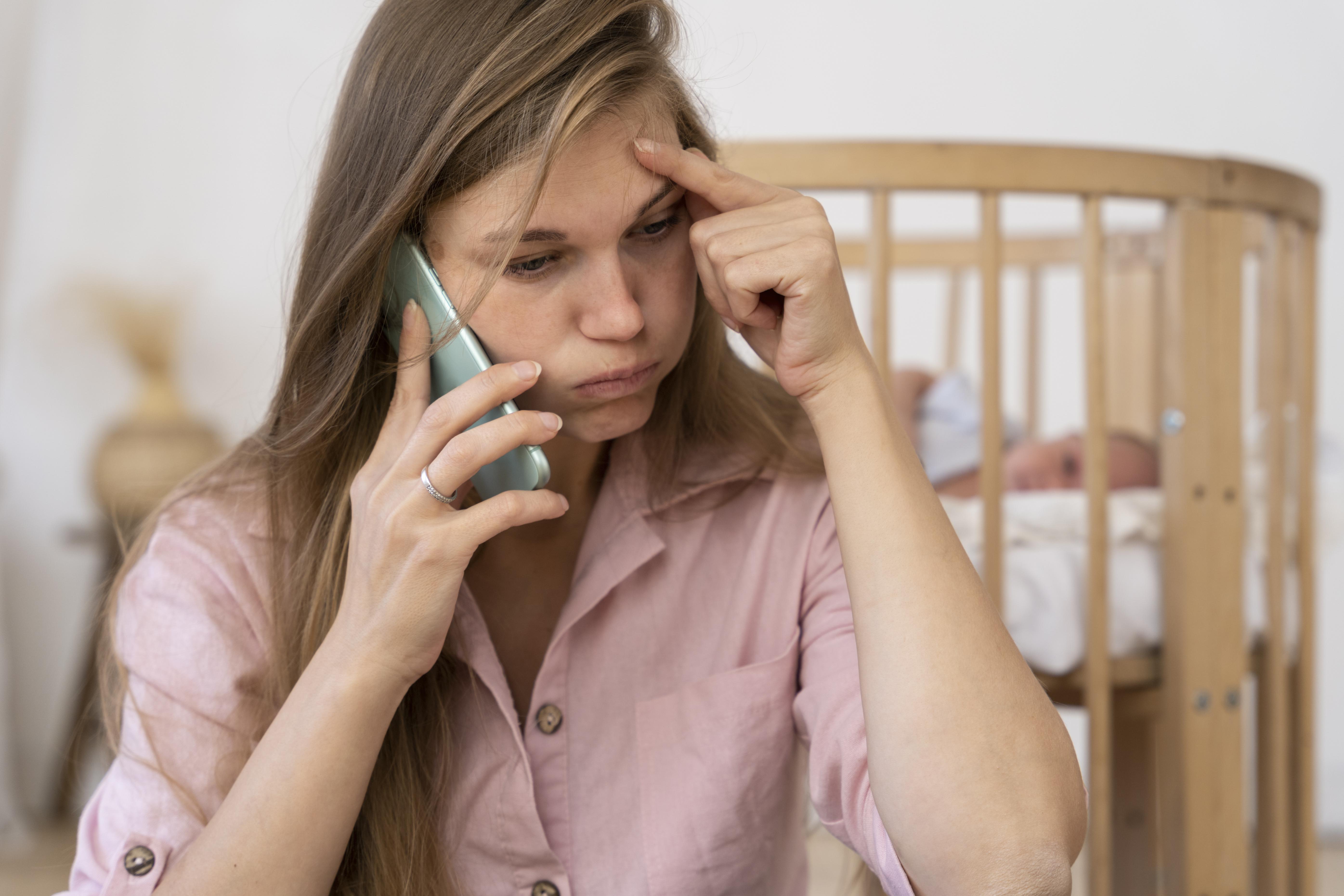
Emotional burnout in mothers usually starts quietly: chronic fatigue, apathy, irritability, and internal tension. Anxiety arises, there is a sense of guilt for resting, and the feeling of joy and interest in life disappears. These symptoms of burnout are easy to attribute to sleep deprivation after childbirth, so it’s important to notice them in time.
In this article, we’ll discuss the first signals from the body that indicate you’re at your limit, and ways to gently restore your resources. We’ll also talk about the support of loved ones, personal boundaries, and moments when the help of a psychologist or doctor is needed.
What is Mom Burnout and Why Does It Occur Postpartum
Mom burnout manifests as emotional exhaustion and the feeling of lacking energy even for basic tasks. Tasks remain the same, but there is an emptiness inside and constant inner tension. Rest stops being restorative, and even minor things demand disproportionately a lot of energy.
Postpartum burnout often develops due to a combination of overlapping reasons:
- lack of sleep — sleep is interrupted, becomes shallow, recovery worsens;
- overload — the child constantly demands attention, household tasks do not disappear, breaks are short;
- high responsibility — it’s hard to “switch off” even with the help of close ones, the sense of control remains;
- little time for recovery — the day is scheduled by the minute, and energy depletes very quickly.
Physiologically, this falls under the body’s normal stress reaction. When the load lasts for weeks, the level of tension remains high, and cortisol can stay elevated for longer. This affects sleep and psycho-emotional state: irritability increases, anxiety intensifies, and stress resilience decreases. Hormonal changes typical of the postpartum period become an additional background.
Postpartum burnout often feels like a state of overwhelm that can be alleviated with gentle resource recovery and support. However, similar symptoms can occur in conditions requiring a doctor’s assessment. If apathy increases, interest in life fades, severe sleep disturbances appear, panic symptoms occur, or thoughts of self-harm arise, it is better not to delay and to seek a specialist consultation as soon as possible.
First signs: burnout symptoms that are easy to miss
Burnout symptoms rarely appear suddenly. More often, they accumulate gradually. Initially, energy and response to load change, then mood deteriorates, and finally, contact with loved ones and personal well-being suffer.
A mother may often attribute what is happening to ordinary postpartum fatigue or the specifics of maternity leave. Women often get used to enduring overload and fail to notice that emotional exhaustion has already become the background.


- Yoga and Pilates after vaginal/cesarean birth
- Cardio and toning
- Morning and evening workouts
- 10–30 minutes a day
- Nutrition and macronutrient program
- Consultations with experts
- Psychological support
- Meditation, SPA and podcasts
Main signals from the body to pay attention to:
- Chronic fatigue in the morning, lack of a sense of recovery even after sleep.
- Apathy, loss of interest in life, lack of joy from usual things.
- Increased irritability, outbursts over minor things, internal tension throughout the day.
- Increased anxiety, feeling like everything depends solely on you.
- Feeling that interaction with the child has become mechanical, communication happens on autopilot.
- Constant feeling of guilt for fatigue, irritation, or the desire to be alone.
- Difficulty falling asleep, shallow sleep, frequent awakenings even without external reasons.
- Physical signs of stress: headaches, muscle tension, heaviness in the chest or throat.
It’s important to consider the dynamics. If such symptoms of burnout persist for weeks, intensify, or start affecting daily life, it’s more than just postpartum fatigue; it’s a condition to discuss with your doctor.
When You’re at Your Limit: How to Reduce Stress and Seek Help in Time
If you feel burnout intensifying, start with the simple things. Not with big resolutions or promises to “change everything,” but with one specific day. When emotional exhaustion increases, it’s important to reduce the burden on your body.
On a day when you are at your limit, it’s enough to do what’s necessary: feed the child, provide regular care, and handle basic household tasks. Deep cleaning, difficult conversations, and new commitments can wait. Even temporarily simplifying your routine reduces stress levels and gives your body a chance to recover.
If you have almost no energy, try to take a few steps today:
- reduce your to-do list to a minimum for one day;
- allocate 30–60 minutes without tasks and screens, just to be in silence;
- arrange for specific help: who will handle the walk, cooking, or part of the household chores;
- set a time when you are unavailable and not solving others’ issues;
- prioritize sleep: try to go to bed earlier or take a nap during the day at the first opportunity.
If apathy, anxiety, chronic fatigue, and feelings of guilt persist for weeks and you don’t feel like you’re becoming more resilient, don’t ignore it. If rest doesn’t help, breakdowns recur, and the feeling of “I can’t cope” becomes background noise—it’s time to seek help from a psychologist.
If you have thoughts of self-harm, feel scared to be alone with your child, experience severe panic reactions, suddenly have trouble sleeping, or feel a deep loss of interest in life after childbirth, it’s important to consult a doctor. In the postpartum period, such symptoms can be related not only to burnout but also to depression or anxiety disorder, and this requires professional medical evaluation.
In conclusion, it is worth noting that burnout does not occur suddenly — it is preceded by prolonged overload. Recovery also requires time and consistency. Support, reducing stress, and timely seeking of help contribute to maintaining a mother’s psycho-emotional health during this vulnerable period and help her navigate it without undue loss.


Download the app and get 7 days free use


