 eng
 rus
 deu
 spa
 fra
 ita
 por
 srp
 tur
 ukr
 por
 bos
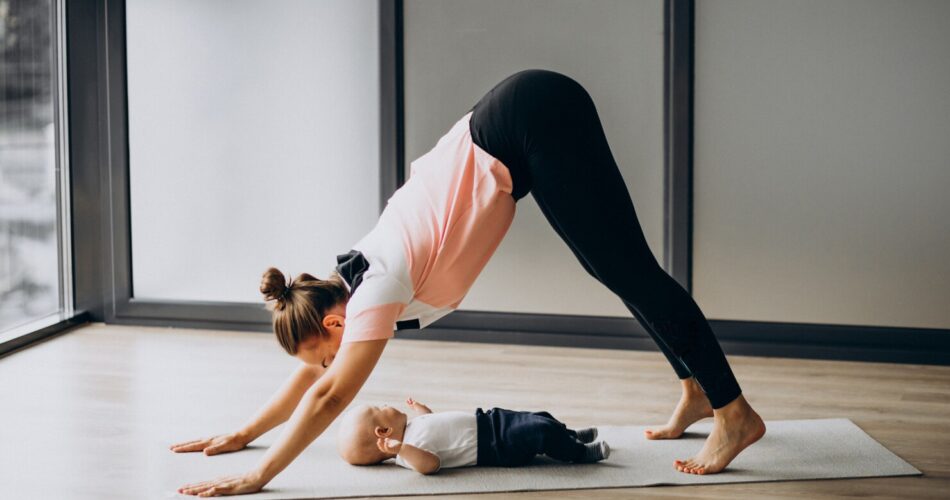
Postpartum exercise can support weight management and rebuild fitness. Start with activity that suits your recovery rather than an exhausting routine promising fast results. The right starting point depends on your birth, symptoms and recent activity.
When can you start?
After a straightforward birth, gentle walking, stretching and pelvic floor exercises can begin when you feel ready. If you had a caesarean or a more complicated birth, seek advice before strenuous exercise.
Discuss running and other high-impact activity at your postnatal review. Urine leakage, pelvic heaviness or pain need assessment rather than a harder workout. The number of weeks since birth cannot show on its own whether you are ready.
If you have abdominal symptoms or concerns about diastasis after childbirth, ask for an individual assessment. A routine chosen only from the appearance of your abdomen may not match your needs.
Build aerobic activity gradually
Walking is easy to adapt by changing pace and distance. Start with a comfortable route and increase it when you are tolerating the current amount. Short periods of movement count towards your overall activity.
NHS adult guidance recommends at least 150 minutes of moderate activity a week, with strength work on at least 2 days. After a break or a difficult recovery, treat this as a gradual target rather than a first-week requirement.
Swimming, cycling or a suitable class may also fit. For swimming after birth, NHS advice is to wait until 7 days after postnatal bleeding has stopped, with individual advice if there are wound problems or complications.


- Yoga and Pilates after vaginal/cesarean birth
- Cardio and toning
- Morning and evening workouts
- 10–30 minutes a day
- Nutrition and macronutrient program
- Consultations with experts
- Psychological support
- Meditation, SPA and podcasts
Add strength without pushing through symptoms
Choose resistance you can manage with controlled movements and normal breathing. A suitable class or physiotherapist can help if you are unsure how to adapt exercises.
Pain, leakage or pressure around the pelvis mean the exercise needs review. Do not simply add repetitions to try to overcome symptoms. Yoga and Pilates can be adapted too, but their names do not guarantee that every movement in a class is suitable.
Increase one demand at a time, such as duration or resistance. You do not need to make every session more difficult than the last.
Fit movement around feeding and rest
Exercise while breastfeeding is possible, with attention to breast comfort and your baby’s feeds. A shorter session may suit a day after disrupted sleep.
Ask for practical support if childcare is the main barrier. A routine you can repeat is more useful than one that leaves no room for recovery.
Keep weight loss expectations realistic
For weight loss after childbirth, eating habits and daily circumstances matter alongside activity. Exercise cannot promise a fixed amount of weight loss in a set time.
Notice changes in walking tolerance, strength and symptoms as well as weight. Stop if you develop pain, dizziness or feel unwell. Persistent symptoms need advice; chest pain, fainting or severe breathlessness require urgent help.
Sources


Download the app and get 7 days free use


