 eng
eng rus
rus deu
deu spa
spa fra
fra ita
ita por
por srp
srp tur
tur ukr
ukr por
por bos
bos
Hemoglobin levels and the consequences of iron deficiency during pregnancy
During pregnancy, a woman’s blood volume increases, leading to an inevitable decrease in hemoglobin concentration. This process is not considered pathological as long as the hemoglobin level falls within the normal ranges for pregnant women. In the first trimester, a result between 116 and 139 g/L is considered normal, in the second trimester – 97-148 g/L, and in the third trimester, the range expands to 95-150 g/L.
If a woman diagnosed with anemia does not take mineral supplements and does not consume foods to raise hemoglobin, the pregnancy will be accompanied by such unpleasant conditions as fatigue, headaches, tinnitus, dizziness, shortness of breath, and tingling of the limbs.
For the fetus, the consequences of maternal anemia can lead to mental and nervous disorders. Additionally, as hemoglobin levels decrease, the likelihood of miscarriage at any stage of pregnancy increases.

What foods contain hemoglobin for pregnant women?
Foods rich in hemoglobin are especially necessary for pregnant women, so it’s worth considering including them in your diet. Primarily, this includes animal-based foods: eggs, liver, organ meats, shellfish, red meat. Additionally, cereals (wheat, corn, rye, buckwheat) are often used as foods to increase hemoglobin concentration in the blood of pregnant women. They can be consumed in the form of porridge, bran, crispbreads, and other presentations.
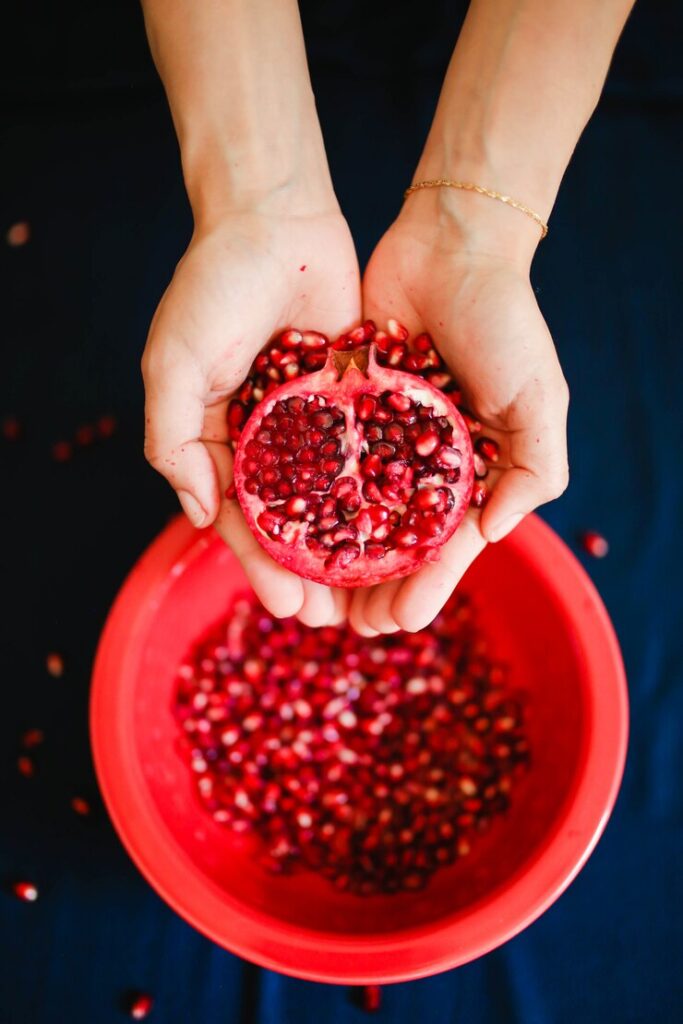
Foods that increase hemoglobin in pregnant women include certain vegetables and fruits. Among vegetables, beetroot, pumpkin, and tomatoes are particularly highlighted. With gentle processing, onions and potatoes can serve as sources of iron. For fruits, the most popular product for obtaining hemoglobin in pregnant women is the pomegranate. This fruit is recognized as a very powerful source of iron. In addition to pomegranates, pregnant women are advised to eat apples, peaches, kiwis, figs, and plums to increase hemoglobin.


- Pelvic floor
- Flat stomach
- Healthy back
- Posture and tone
- Yoga and Pilates
- Personalized menu
- Macronutrients and eating habits
- Meditations and podcasts
In small quantities, it is recommended to consume fresh and dried greens, as well as red berries: raspberries, cranberries, blackberries, black currants, and blackberries, in cases of iron deficiency anemia.
In addition to food products for pregnant women to increase hemoglobin, not only food is important, but also drinks. Thus, for the prevention and treatment of anemia, women consume juices from red vegetables and fruits, such as beets, carrots, pomegranates, and other aforementioned products.
More detailed nutritional advice can be obtained from the dietitian of the online course at momslab.com.
Other ways to prevent and treat anemia in pregnant women
In addition to nutrition, there are a number of other factors that affect blood composition, considering which, it is possible to avoid the occurrence of anemia during pregnancy:
- Diagnosis and treatment of diseases at the planning stage of pregnancy. For instance, many gynecological diseases, as well as pyelonephritis, stomach ulcers, hepatitis, and a number of other pathologies carry a risk of developing anemia.
- Monitoring hemoglobin levels in the blood. Identifying a tendency for a decrease in this indicator in time will help to adjust lifestyle timely and prevent manifestations of anemia.
- Intake of iron supplements. Usually prescribed by a doctor from the second trimester of pregnancy. The course of taking supplements can last up to a year.


Download the app and get 7 days free use


